
Best Things to Do in San Ignacio, Belize

A sleek, stylized hummingbird in flight, holding a small scroll or message envelope in its beak. For the Belize Travel Blog

Hummingbird

October 10, 2025

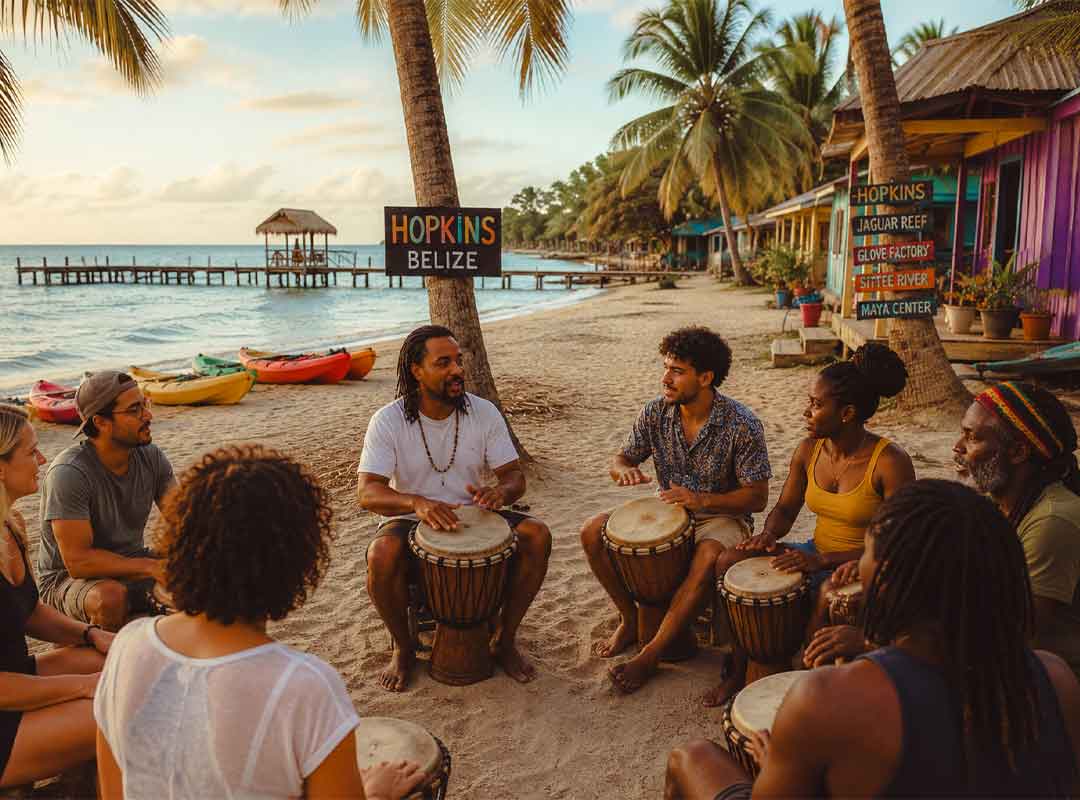
Is Belize safe for tourists? Relax on the sandy beaches of Hopkins, where turquoise waters, coconut trees, and a blue sky showcase Belize’s safe, stunning beauty.

Is Belize Safe for Tourists? A Realistic Guide for American Travelers in 2025

Key Takeaways

  • Tourist areas in Belize are generally safe, especially popular spots like San Pedro, Placencia, and Caye Caulker.
  • Most issues involve petty theft, not violent crime, and are preventable with basic precautions.
  • Travel smart by choosing vetted accommodations, licensed guides, and being mindful of your surroundings.
  • Belize is culturally welcoming, with strong tourism infrastructure and a laid-back, local vibe.
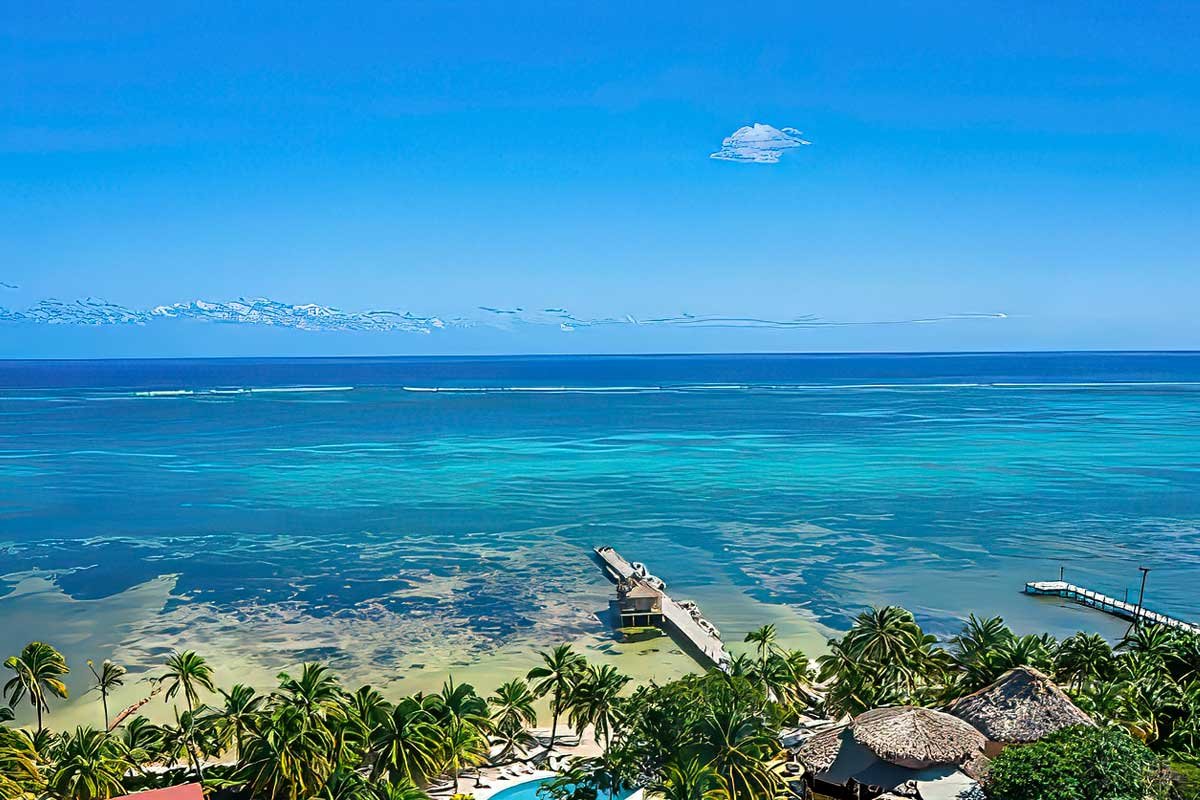
Scenic view of turquoise Caribbean waters and the Belize Barrier Reef near San Pedro, showcasing why Belize is safe for tourists seeking island adventures.

🇧🇿 Understanding Safety in Belize

Belize is a beautiful and culturally rich destination that welcomes thousands of travelers each year, and for the vast majority, their visit is smooth, exciting, and completely safe. Still, as with any country, it’s important to be informed.

Let’s break down the realities so you can travel smarter and worry less.

🔐 Crime in Belize: The Real Picture

Petty vs. Serious Crime

  • Petty theft, such as bag snatching or phone grabs, can occur in busier areas, especially if valuables are left unattended.
  • Violent crime is highly localized, mostly in specific neighborhoods of Belize City that are not tourist zones.

🛡️ How to stay safe:

  • Keep valuables out of sight in public.
  • Use a crossbody bag with a zipper.
  • Don’t leave phones on café tables or beach loungers.
  • Use hotel safes for passports and extra cash.

Tourist Scams to Watch For

  • Overpriced taxis or tours without licenses.
  • Fake guides near ferry docks or ruins.
  • “Cash-only” scams or unmetered ride haggling.

🛡️ How to avoid scams:

  • Book through registered operators (ask for BTB licenses).
  • Use hotel or tour referrals.
  • Politely decline unsolicited tour offers.

🌎 Regional Safety: Where to Go (And What to Know)

Safety varies slightly by region, but the great news is that Belize’s major tourism areas are well-patrolled and visitor-focused.
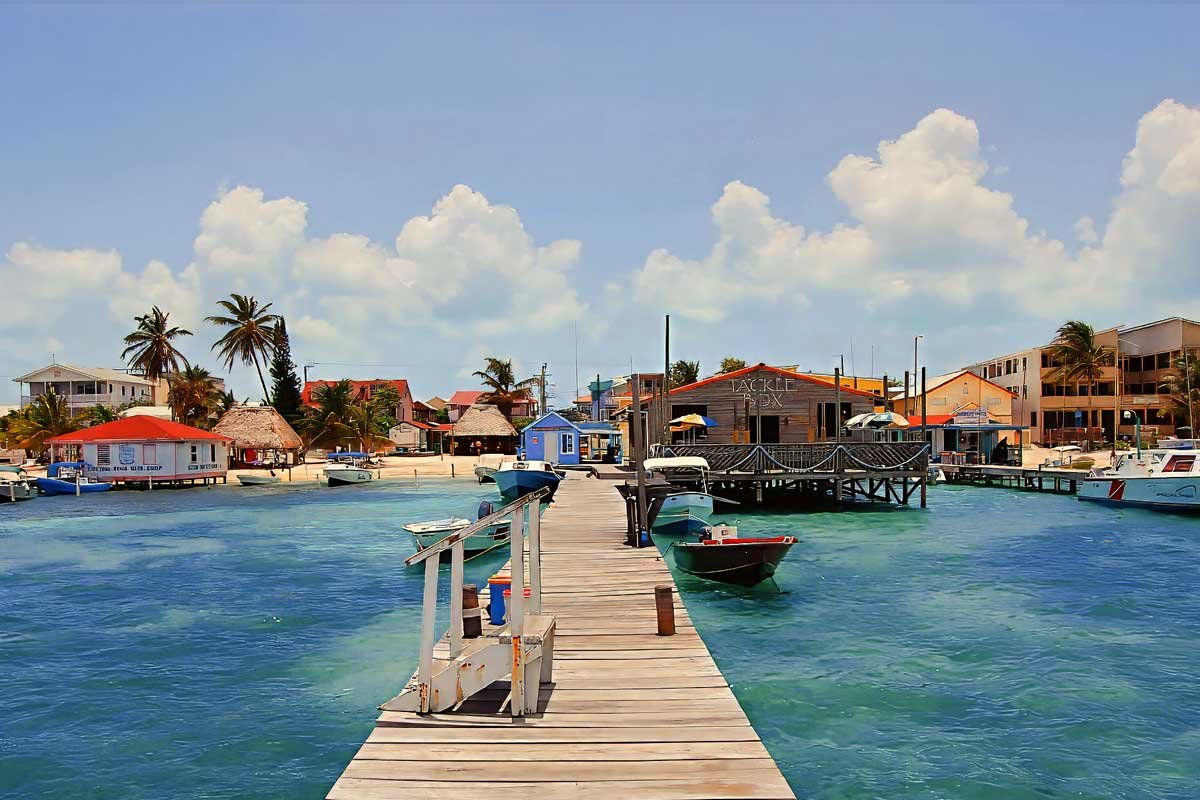
Wooden deck overlooking turquoise Caribbean waters with coconut trees and blue sky in Caye Caulker, showcasing why Belize is safe for tourists seeking tropical escapes.

Ambergris Caye & Caye Caulker

  • Vibrant, busy, and popular with divers and beach lovers.
  • Tourism police and water taxi security are visible.
  • Petty theft is the main concern, mostly when valuables are left unattended.

Tip:
Use dry bags for boat transfers, and double-check operators for safety gear.

Placencia & Hopkins

  • Charming coastal towns with a community feel.
  • Well-lit, walkable areas and active beach patrols.
  • Risks include sun exposure, riptides, and occasional overcharging.

Tip:
Swim in designated areas, check the weather during hurricane season (June–Nov), and hydrate often.

San Ignacio & The Interior

  • Gateway to ruins and jungle adventures.
  • More remote, so response times are slower.
  • Wildlife and terrain risks (like slippery trails or snakes) are more relevant than crime.

Tip:
Always explore with licensed guides, wear proper hiking shoes, and stay on marked trails.

Belize City

  • Belize’s urban center is often misunderstood.
  • The Tourism Village and Fort George areas are relatively safe by day.
  • Some neighborhoods have higher crime rates and are best avoided.

Tip:
Limit time in Belize City if unsure. Use hotel shuttles, stick to main roads, and avoid venturing out after dark.

🧠 Personal Safety Tips from the Ground

Tourists in Belize often report a laid-back, friendly atmosphere, especially in the islands and smaller towns. That said, travel awareness goes a long way.

🧳 Situational Awareness

  • Walk with purpose and keep your phone stowed.
  • Avoid isolated streets at night.
  • Trust your gut. If something feels off, walk away.

🏨 Accommodation Safety

  • Choose places with recent good reviews and visible security features.
  • Use in-room safes for valuables.
  • Lock windows and doors, especially at night.

🚖 Transportation Tips

  • Use licensed taxis or hotel-arranged shuttles.
  • Avoid accepting rides from strangers or unregistered vehicles.
  • For longer journeys, fly or bus during daylight hours.
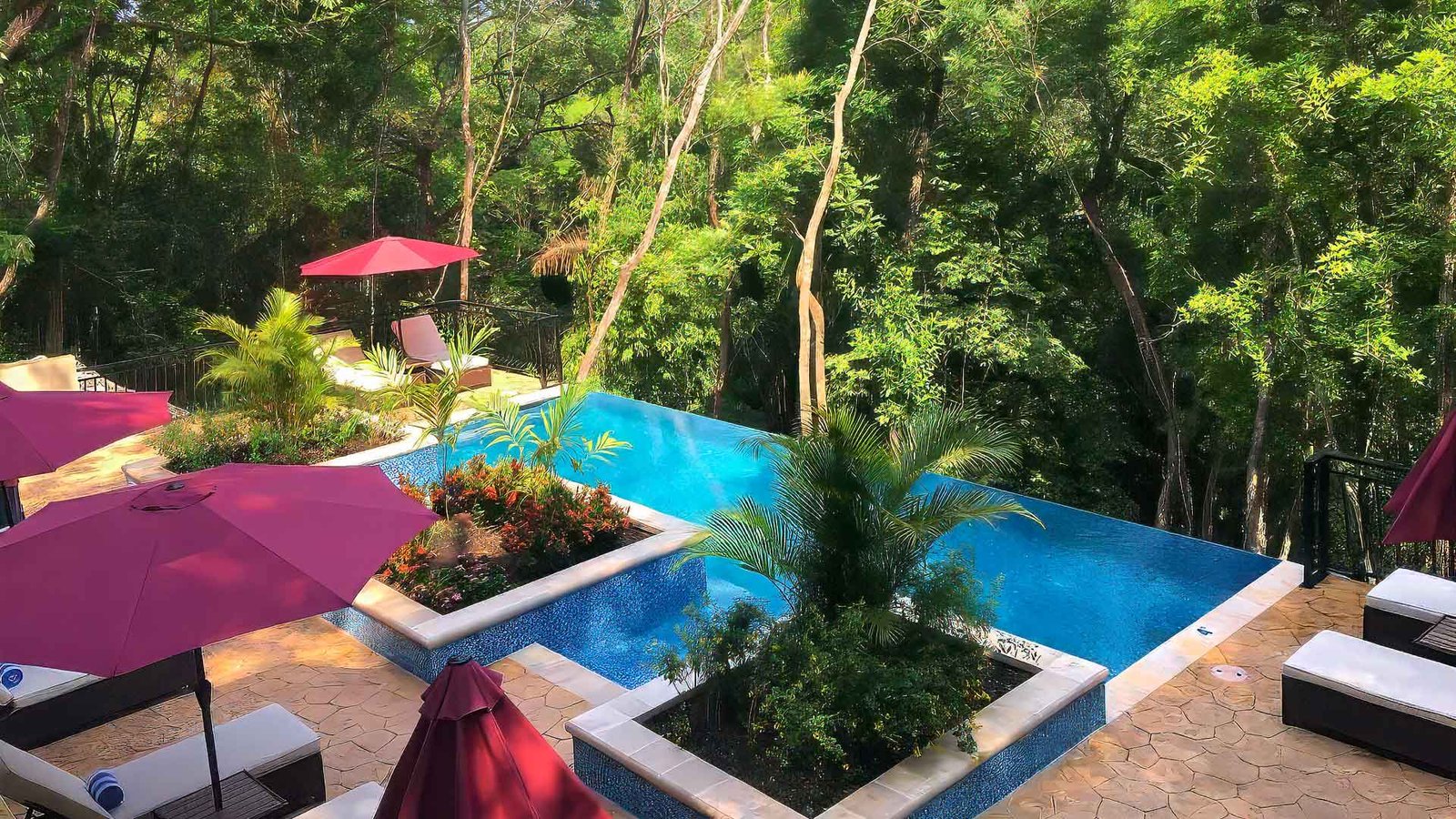
View from a jungle lodge swimming pool in San Ignacio, Cayo District, showcasing why Belize is safe for tourists seeking relaxation in nature.

🧭 Health, Food & Water Safety

Water & Food

  • Drink bottled or purified water.
  • Avoid ice from unknown sources.
  • Try local food, it’s safe! Just be cautious with street food if you have a sensitive stomach.

Common Health Concerns

  • Mosquito-borne illnesses: Use DEET or picaridin repellent.
  • Sunburn & dehydration: Pack reef-safe sunscreen and drink water often.
  • Traveler’s tummy: Pack oral rehydration salts and basic meds.

🏥 Clinics & Emergencies

  • Private clinics in San Pedro and Belize City are well-equipped.
  • Emergency services are available via 911.
  • For serious cases, air evacuation is available to the U.S. or Mexico; make sure your insurance covers this.

🧳 What to Prepare Before You Go

Here’s a quick checklist for a smooth, worry-free Belize adventure:

  • ✅ Valid passport (6 months left)
  • ✅ Travel insurance with emergency evacuation
  • ✅ Vaccinations (check CDC or travel clinic 6–8 weeks before)
  • ✅ Copies of documents (paper + digital)
  • ✅ Sunscreen, bug spray, hand sanitizer, first-aid kit
  • ✅ Emergency contacts + offline maps downloaded

📣 Local Laws & Cultural Etiquette

Know the Basics

  • Carry ID or a copy of your passport.
  • Don’t carry or use cannabis publicly; it’s illegal.
  • Respect marine reserves and archaeological sites; fines apply for damage or unauthorized access.

Cultural Tips

  • Dress modestly in villages or churches.
  • Ask before taking photos of people or private homes.
  • A smile and a “Good maanin” go a long way.

🤖 Frequently Asked Questions 

Is Belize safe for tourists in 2025?
Yes, the vast majority of travelers experience a safe, enjoyable trip. Stick to tourist areas, use licensed services, and follow local advice.

Which areas in Belize are safest for travelers?
San Pedro (Ambergris Caye), Caye Caulker, Placencia, and San Ignacio are the most popular and safest areas, with strong tourism infrastructure.

How can I move around Belize safely?
Use licensed taxis, domestic flights, or reputable bus lines. Avoid walking in unfamiliar areas at night.

What scams or risks should I watch for?
Watch for overpriced taxis, fake guides, and bag snatching in busy markets. Always verify credentials.

Do I need travel insurance for Belize?
Absolutely. Make sure it covers medical, trip cancellation, and emergency evacuation.

What local laws or customs should I know?
Respect dress codes in rural communities, don’t carry drugs or undeclared drones, and use only registered guides.

✈️ Final Thoughts: Travel Smart, Travel Inspired

Belize is a safe, stunning, and soulful destination for those who travel with awareness and curiosity. From jungle hikes to coral reef dives, Belize rewards prepared travelers with unforgettable adventures.

Most safety concerns are easily managed with common sense, good planning, and local advice.

Need help crafting your Belize itinerary?
Reach out to us at Authentic Travel Belize, and we’ll help you explore this beautiful country with confidence and ease.
How Many Nights in San Ignacio?

Length of Stay Best For Planning Notes
2 nights Travelers with limited time who want one main inland experience Useful but compressed. Choose carefully and avoid adding too many demanding activities.
3 nights First-time visitors who want a balanced introduction Often enough for one major Maya site, one cave or nature experience, and some town or recovery time.
4 nights Travelers who want a stronger inland Belize rhythm A good general recommendation for archaeology, jungle or river experiences, cultural time, and better pacing.
5+ nights Families, birders, archaeology travelers, slower-paced travelers, or those adding Caracol or Tikal Allows more specialization, softer days, and less pressure to make every day strenuous.

A shorter stay can work when expectations are clear. A longer stay should not become an excuse to overload the schedule. A good inland journey is not a race between ruins, caves, rivers, and lodges.

Maya Archaeology Near San Ignacio

San Ignacio is one of Belize’s strongest bases for Maya archaeology because several important sites can be reached from the Cayo District. The sites should not be treated as identical ruins with different names. Each offers a different scale, setting, interpretive value, and level of effort.

Maya Sites Near San Ignacio

Site Experience Character Best Fit
Cahal Pech Close to San Ignacio, compact, layered, and useful for orientation Travelers who want an accessible introduction to Maya archaeology and Belize Valley context.
Xunantunich A striking site approached by ferry, with El Castillo, sculpted friezes, and interpretive context First-time visitors, families with appropriate mobility, archaeology-curious travelers, and those wanting a strong half-day experience.
El Pilar A forested site shared in the Belize-Guatemala borderlands context, often quieter and more landscape-oriented Travelers interested in settlement patterns, forest setting, and less crowded interpretation.
Caracol A major Maya city deeper in the interior, requiring more time, road planning, and energy Archaeology-focused travelers with enough nights to make the longer journey worthwhile.
Tikal A major Maya site in Guatemala, usually treated as a wider Mundo Maya extension Travelers with time for cross-border planning, documentation checks, and a broader regional itinerary.

Cahal Pech can help travelers begin close to town. Xunantunich often provides the clearest first visual impression of monumental Maya architecture. El Pilar asks for attention to landscape and settlement, not only visible structures. Caracol should not be added casually to a short San Ignacio stay simply because it appears on a list. Tikal can be extraordinary, but it belongs to a larger cross-border conversation.

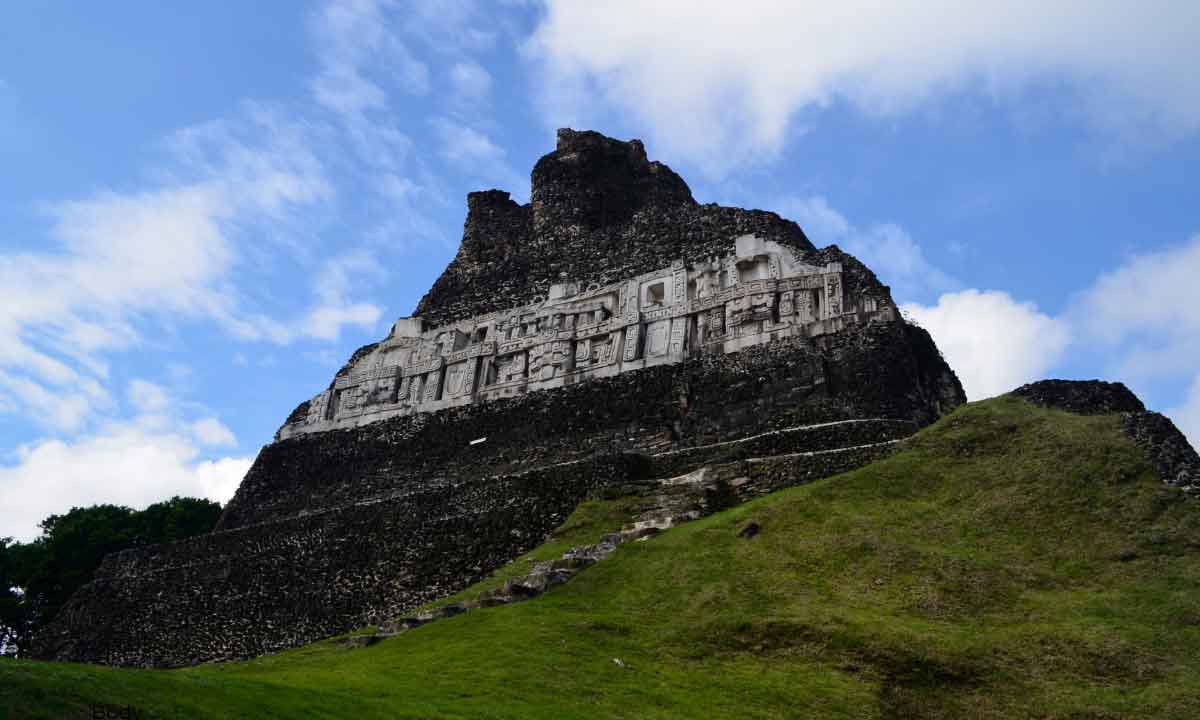
Xunantunich Maya site near San Ignacio, Belize, one of the best things to do in San Ignacio for travelers interested in Maya archaeology.

Xunantunich: More Than a View from El Castillo

Xunantunich is often one of the most rewarding half-day experiences from San Ignacio, partly because the approach itself begins to change the pace. Near San José Succotz, the route commonly involves crossing the Mopan River by hand-cranked ferry before continuing toward the archaeological reserve. That short crossing matters. It gently separates the modern road from the archaeological landscape and gives travelers a moment to arrive with more attention.

El Castillo creates the strongest visual impression for many visitors. Its scale, position, and commanding presence help travelers understand why Xunantunich remains one of the best-known Maya sites in Belize. But the site should not be reduced to a climb or a panorama. The sculpted friezes, the arrangement of plazas, and the site museum or interpretive center help place the architecture within a larger political, ceremonial, and artistic story.

A thoughtful guide can change the experience here. Instead of moving quickly from structure to structure, good interpretation can explain what is known, what is still debated, and how Xunantunich relates to wider Belize Valley history. For families, a guide may turn an architectural detail into a question rather than a lecture. For archaeology travelers, the value may be in connecting visible forms to social organization, ritual life, artistic expression, and regional relationships.

Respect also matters. Where climbing is permitted, travelers should follow current rules, avoid stepping on restricted surfaces, stay aware of heat and footing, and treat the site as a protected cultural place rather than a viewpoint. Conservation behavior is part of the experience. The memory should not only be the height of El Castillo, but the gradual understanding of why the site matters.

ATM Cave: Archaeology, Adventure, and Responsibility

ATM Cave is one of the most discussed experiences from San Ignacio, but the better question is not whether ATM Cave is famous. The better question is whether it is right for the traveler, the group, the season, and the wider itinerary.

Actun Tunichil Muknal is physically demanding and culturally sensitive. Travelers should expect water, uneven footing, enclosed spaces, and close guide control. The experience requires physical readiness, respect for instructions, and acceptance that conditions may affect the visit. It should never be framed only as a thrill activity.

A good guide matters here not only for safety and route management, but for restraint. The guide’s role is to help travelers move carefully, understand where they are, and respect the archaeological and ceremonial context. That restraint is part of the value. It keeps the experience from becoming spectacle.

ATM can be deeply meaningful for travelers who are prepared for its demands. It can be the wrong choice for travelers with mobility limitations, discomfort in water or caves, certain medical concerns, very young children, or anyone expecting a low-effort day. In private planning, deciding not to include ATM can be a sign of good judgment, not a missed opportunity.

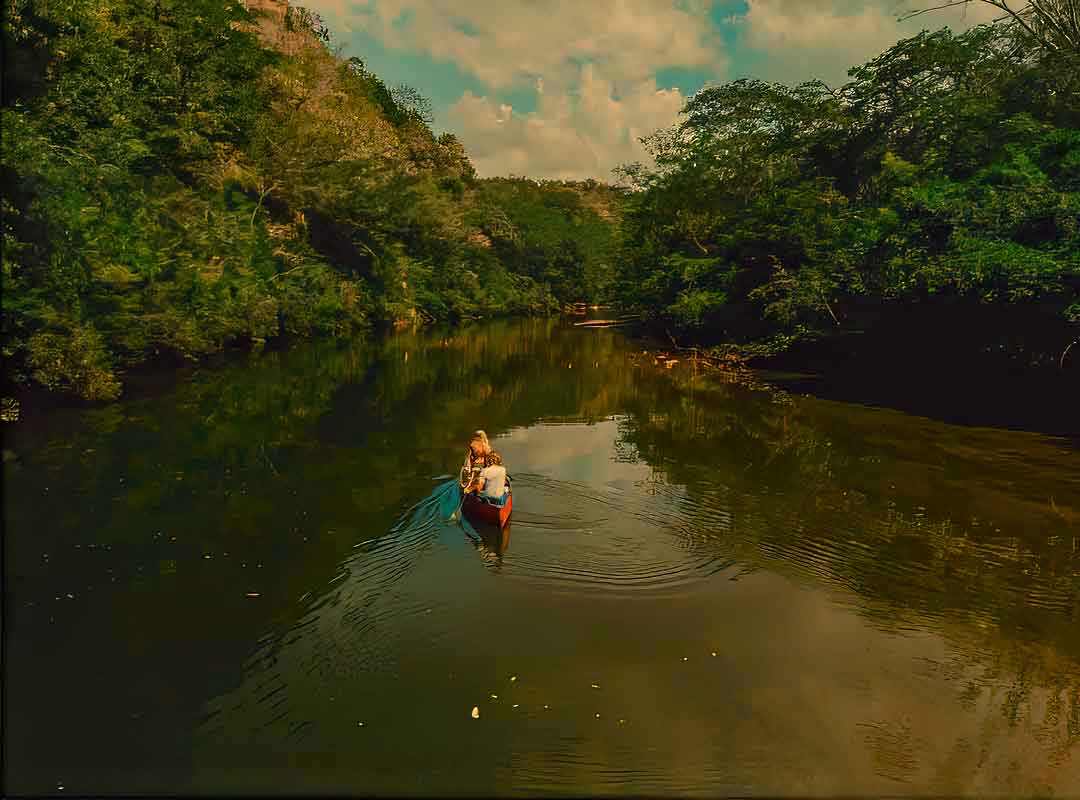
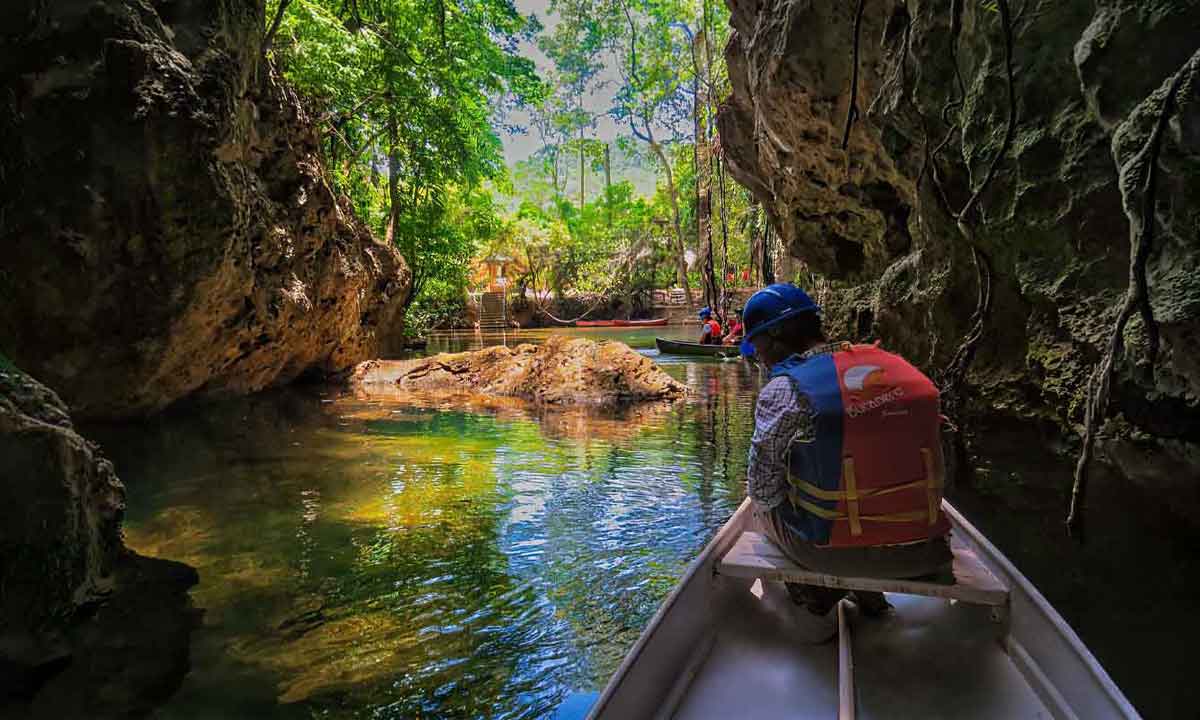
Canoe entering Barton Creek Cave, one of the best things to do in San Ignacio for travelers interested in Maya archaeology and jungle adventure

Barton Creek, Rivers, Forest, and Softer Adventure

These alternatives should be chosen honestly, not presented as second-best.

Barton Creek Cave, river experiences, Mountain Pine Ridge, forest trails, birding, night walks, and gentler cultural or culinary days can all belong in a strong San Ignacio itinerary. Their value depends on the traveler. A family may need a calmer experience after a demanding archaeological day. A couple may want a river or forest outing that leaves space for conversation. A birder may remember the quality of the early morning more than the length of the checklist.

Naturalist interpretation changes these experiences. A skilled naturalist can help travelers read habitat transitions, understand seasonal water levels, listen for calls rather than only search for animals, recognize tracks or movement after rain, and know when to keep distance. On a night walk, good guiding also means limiting noise, using artificial light carefully, and accepting that wildlife cannot be summoned on demand. Sightings depend on habitat, weather, season, patience, guide judgment, and chance. The value lies in learning how to observe well.

Not every day needs to be strenuous to be meaningful. Sometimes the better inland day is the one that helps travelers notice more, move more quietly, and return with energy for the next experience.

Living Culture, Foodways, and Community Workshops

Maya heritage is not confined to stone plazas or cave chambers. It also continues through language, food, agriculture, craft, family knowledge, ceremony, memory, and daily life. In and around the Cayo District, professionally arranged cultural, culinary, cacao, chocolate, pottery, or cooking experiences may help travelers begin to understand these living dimensions when invited and where appropriate.

A community workshop is not a performance. The best version is collaborative and dignified. It should be shaped by the host’s boundaries, the setting, the time available, and the purpose of the exchange. Travelers should arrive with humility, not with the expectation that culture will be displayed for them on demand.

When professionally arranged, these experiences can introduce travelers to foodways, cacao traditions, pottery knowledge, home cooking, or local agriculture with more context than a passing stop. They should support the people and settings involved, and any specific claims about ownership structure, income distribution, cooperative benefit, or direct community impact should be verified before publication.

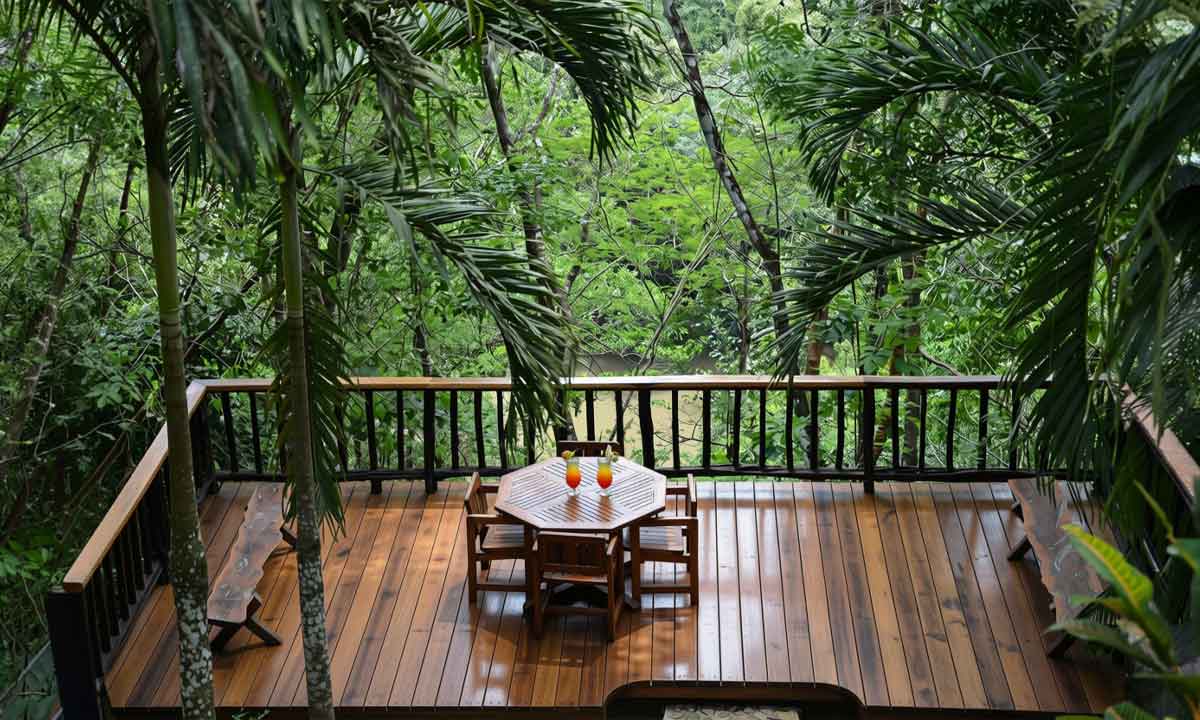
Jungle lodge deck near San Ignacio, Belize, surrounded by tropical forest and river views

How to Balance Demanding and Restorative Days

San Ignacio works best when the itinerary is honest about energy. Heat, road time, cave conditions, water exposure, early departures, stairs, uneven surfaces, and long explanations all affect the day.

A demanding cave day may be better followed by a softer morning. A long archaeology day may need a quiet dinner rather than another scheduled activity. Families may need shade and flexibility. Multigenerational groups may need fewer transitions. Birders may need early starts and slower afternoons. Comfort-oriented travelers may prefer private logistics, shorter walks, strong guiding, and accommodations selected for rest.

The answer is not to remove ambition. The answer is to design the itinerary honestly.

Why Guide Quality Matters in San Ignacio

Guide quality is one of the most important parts of a San Ignacio journey, but not every guide provides the same kind of value. Different experiences may require different strengths: archaeology interpretation, authorized cave guiding, naturalist knowledge, birding expertise, family communication, mobility awareness, multigenerational pacing, or cultural interpretation.

The right guide can help travelers understand why Cahal Pech feels different from Xunantunich, why ATM requires restraint, why a river changes with season, why a bird call matters, or why a cultural workshop should move at the host’s pace. Guides are not only logistical helpers. In western Belize, they are often the bridge between movement and meaning.

For families, guide matching can be especially important. A good family guide may know when to turn an architectural detail into a question, when to shorten an explanation in the heat, when children need shade or water, and when a quieter moment matters more than another stop. For older travelers or multigenerational groups, the right guide may know how to adjust pace without making anyone feel like a burden.

Private planning becomes more than comfort. It becomes the process of matching each experience with the people who will live it.

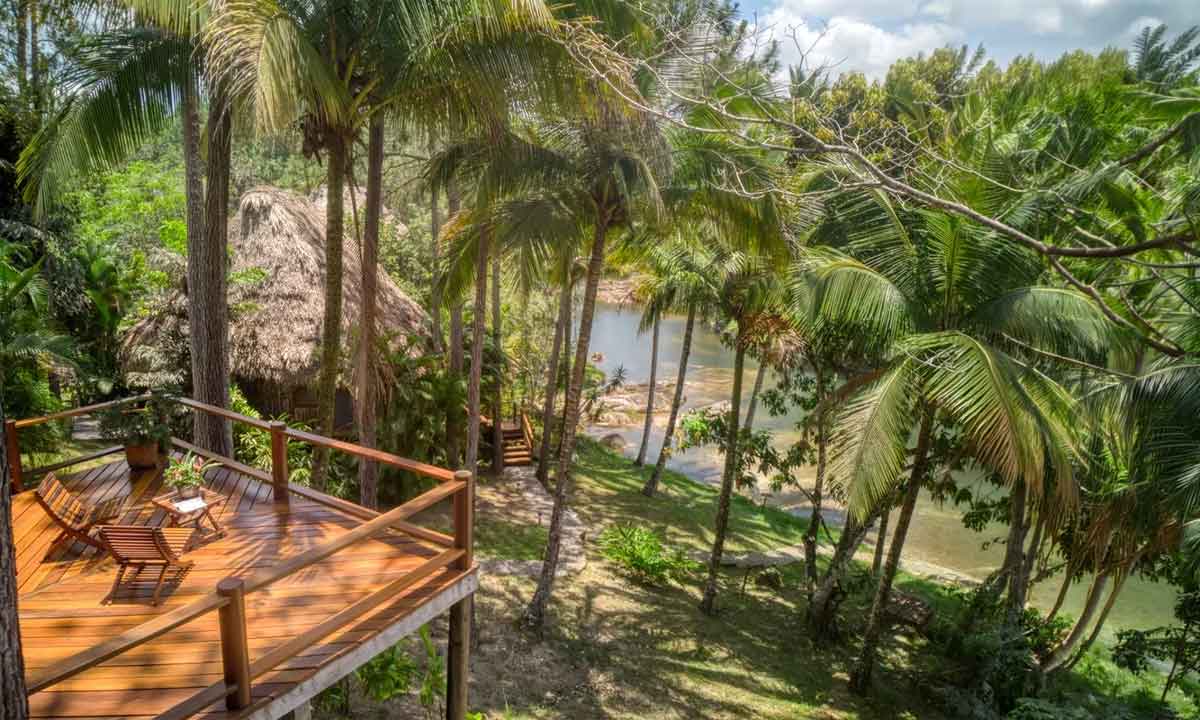
Riverside jungle lodge near San Ignacio, Belize, with private deck overlooking the forest and river

Where to Stay: Town, Riverside Lodge, or Jungle Lodge?

No setting is automatically best. The right setting depends on the traveler, the itinerary, the desired level of independence, and the kind of rest needed between excursions.

Town, Riverside Lodge, or Jungle Lodge?

Setting What It Can Offer Consider Carefully
San Ignacio or Santa Elena town base Restaurants, market access, services, selected walkability, easier independent time, and a stronger sense of town life Some travelers may prefer quieter surroundings or more immediate nature.
Riverside lodge A softer natural setting, water presence, quieter evenings, and often good access to both town and excursions Route convenience varies by property and planned activities.
Jungle lodge A more immersive retreat atmosphere, birding, on-site nature, privacy, and quiet May require more transfer planning for town meals, markets, or certain excursions.

The best choice is not the most dramatic setting. It is the one that helps travelers rest well, start days smoothly, and remain present for the experiences they came to understand.

Who San Ignacio Is Best For

San Ignacio is especially rewarding for travelers who want Belize to feel layered. It suits archaeology travelers, active couples, families with curious children or teenagers, multigenerational groups with careful pacing, birders, nature travelers, cultural travelers, and anyone who wants to combine inland Belize with the coast.

It can also support comfort-oriented and lower-effort travelers when the itinerary is designed carefully. A San Ignacio stay does not have to mean constant exertion. Shorter walks, private transfers, shaded timing, food experiences, softer nature outings, and a well-chosen lodge can create a gentler inland journey.

San Ignacio may be a poor fit for travelers who expect every major attraction to require little movement, minimal road time, and no guided or outdoor participation. It is also a poor fit for travelers who want to add famous places without accepting the effort, time, and restraint they require.

This distinction is not meant to discourage thoughtful travelers. It is meant to help them choose well.

Combining San Ignacio with the Belize Coast

A San Ignacio stay often works beautifully before or after time on the coast. Inland first can give travelers history, forest, rivers, caves, guides, foodways, and archaeological context before they slow down near the reef. Coast first can work for travelers who want to rest after arrival before moving inland. The right order depends on flights, weather, energy, family needs, and the wider route.

What matters is that the inland and coastal portions are not designed as separate trips forced into one calendar. They should speak to each other. The reef, the forest, the rivers, the caves, and the archaeological sites are all part of Belize, but they ask different things of the traveler.

Adding Tikal or Guatemala from San Ignacio

San Ignacio can also act as a bridge into the wider Mundo Maya region. Tikal in Guatemala may be possible as an extension for travelers with enough time, interest, and logistical planning. But cross-border travel introduces documentation questions, border timing, guide and vehicle arrangements, and longer days.

For some travelers, Tikal adds important regional perspective. For others, it makes a short itinerary too heavy. The decision should be made with the full journey in view, not simply because two famous Maya sites appear close on a map.

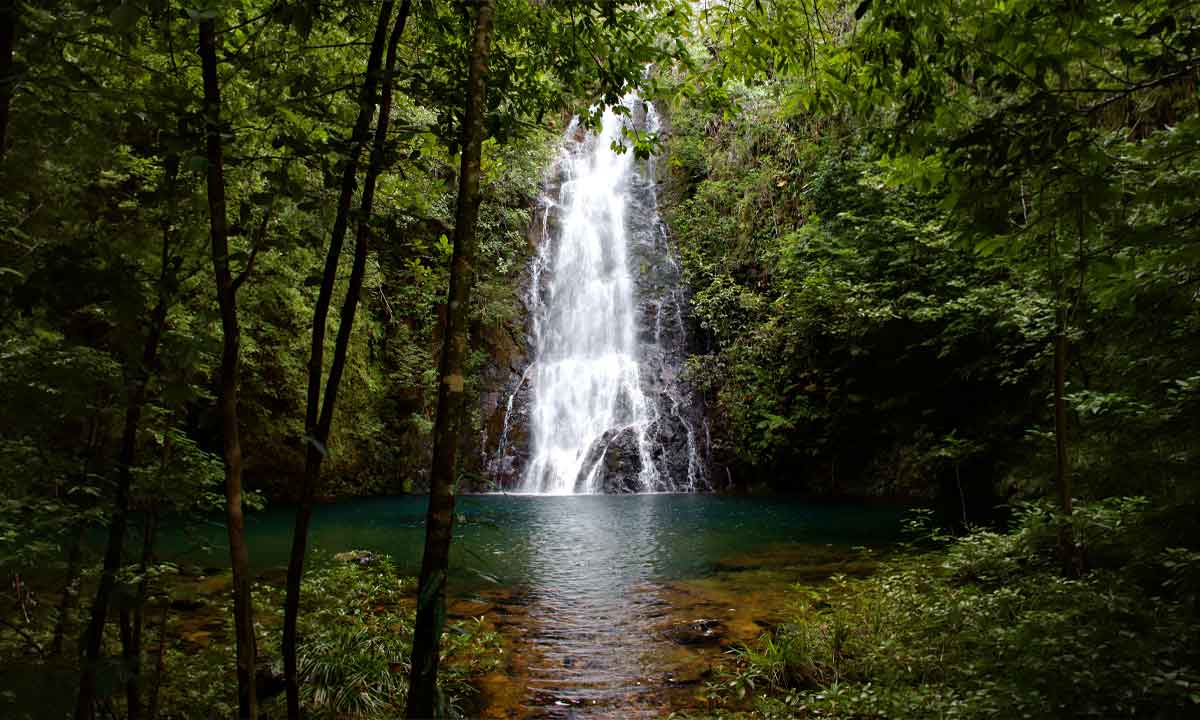
Waterfall in the jungle near San Ignacio, one of the best things to do in San Ignacio for nature and soft adventure travelers

Plan the Inland Belize Journey with Judgment

A private San Ignacio journey should not be planned by asking, “How many things can fit?” A better question is, “Which experiences belong together for these travelers, at this pace, in this season, with this wider Belize route?”

Share your travel dates, group composition, interests, preferred activity level, and wider route. Authentic Travel Belize can help determine not only what fits, but what should be left out so the inland journey has enough time to be meaningful.

FAQ: San Ignacio, Belize

Is San Ignacio a good base for inland Belize?

Yes. San Ignacio is one of the strongest bases for inland Belize because it places travelers near Maya sites, ATM Cave, Barton Creek Cave, rivers, forest reserves, local guides, restaurants, markets, and cultural experiences in the Cayo District.

How many nights should you stay in San Ignacio?

Three nights is a practical starting point for many first-time travelers. Four nights usually gives a better balance of archaeology, cave or nature experiences, local time, and recovery. Two nights is possible but compressed, while five or more nights suit slower pacing, birding, Caracol, or wider Mundo Maya extensions.

Can you visit Xunantunich from San Ignacio?

Yes. Xunantunich is commonly visited from the San Ignacio area and works well as a half-day experience. A guide can help travelers understand the ferry approach, El Castillo, sculpted friezes, plazas, and broader Belize Valley context.

Can you visit ATM Cave from San Ignacio?

Yes. ATM Cave is commonly approached from San Ignacio, but it is physically demanding and must be guided. It should be chosen only when travelers are comfortable with water, cave conditions, uneven surfaces, and close guide instructions.

Which Maya sites are near San Ignacio?

Nearby or reachable sites include Cahal Pech, Xunantunich, El Pilar, and Caracol. Tikal in Guatemala may be added as a wider cross-border extension when the itinerary allows enough time and proper logistics.

Is San Ignacio suitable for families?

San Ignacio can be excellent for families when the itinerary is paced well. Families should consider heat, walking, stairs, water exposure, cave suitability, transfer times, guide communication style, and the need for shade, snacks, and recovery time.

Should you stay in town or at a jungle lodge?

Neither is automatically best. Town offers restaurants, market access, services, and a stronger sense of local rhythm. Riverside and jungle lodges can offer quiet, nature, birding, and retreat-like rest. The right choice depends on the itinerary and traveler style.

Can San Ignacio be combined with the Belize coast?

Yes. San Ignacio and the coast complement each other well. Inland Belize offers archaeology, caves, rivers, forest, and local life, while the coast and cayes offer reef, snorkeling, diving, fishing, and Caribbean rest.

Do you need a guide in San Ignacio?

A guide is strongly valuable for many San Ignacio experiences, and required for some cave settings. The right guide improves safety, interpretation, pacing, cultural respect, family communication, and the traveler’s ability to understand what they are seeing.

Conclusion

San Ignacio is not valuable because it allows travelers to collect every inland experience. It is valuable because, with the right base, guide, sequence, and pace, western Belize begins to make sense.

A morning at Xunantunich, a careful cave experience, a quiet river, a market visit, a family meal, a forest sound heard after rain, a guide’s explanation at the right moment, none of these has to compete with the others. Together, when planned with restraint, they help travelers understand a Belize that extends beyond the beach without asking them to rush past it.

A good inland journey is not a race between ruins, caves, rivers, and lodges. It is a way of giving each place enough attention to become part of the traveler’s memory.

Dispatch

Dispatch

by Hummingbird

Discover Belize through Local Eyes
Expert tips, real adventures, and curated journeys for purposeful, unforgettable travel.

Recent Posts

ATB Logo

Follow me