

Blue Hole Snorkeling Belize: Is It Really Worth It?
Snorkeling at the Blue Hole in Belize is absolutely feasible. Still, if you show up expecting a busy coral aquarium, you're setting yourself up to be quietly annoyed on a very long day. What you're really buying is the bragging rights, the scale, the rim swim, and the fact that most operators bundle it with stops that are genuinely gorgeous for snorkelers. The Great Blue Hole sits out at Lighthouse Reef Atoll, about 43 miles offshore, so you're also buying a serious open-sea boat ride, the kind that can turn your breakfast into a bad decision if the wind picks up.
People get weirdly sensitive about this trip because they want it to be "the best snorkel of your life." It might be. It might also be the day you learn you don't love long crossings, diesel fumes, or deep dark ocean under your feet. Both can be true.
Belize's bigger context matters too. You're not just playing in pretty turquoise water. You're on the Belize Barrier Reef, a globally famous and roughly 185-mile system, heavily managed, and still dealing with climate stress and disease pressure, the kind tracked in places like the IUCN's World Heritage Outlook profile for the Belize Barrier Reef Reserve System and the MAR region scorecards.
What will you actually see in the water?
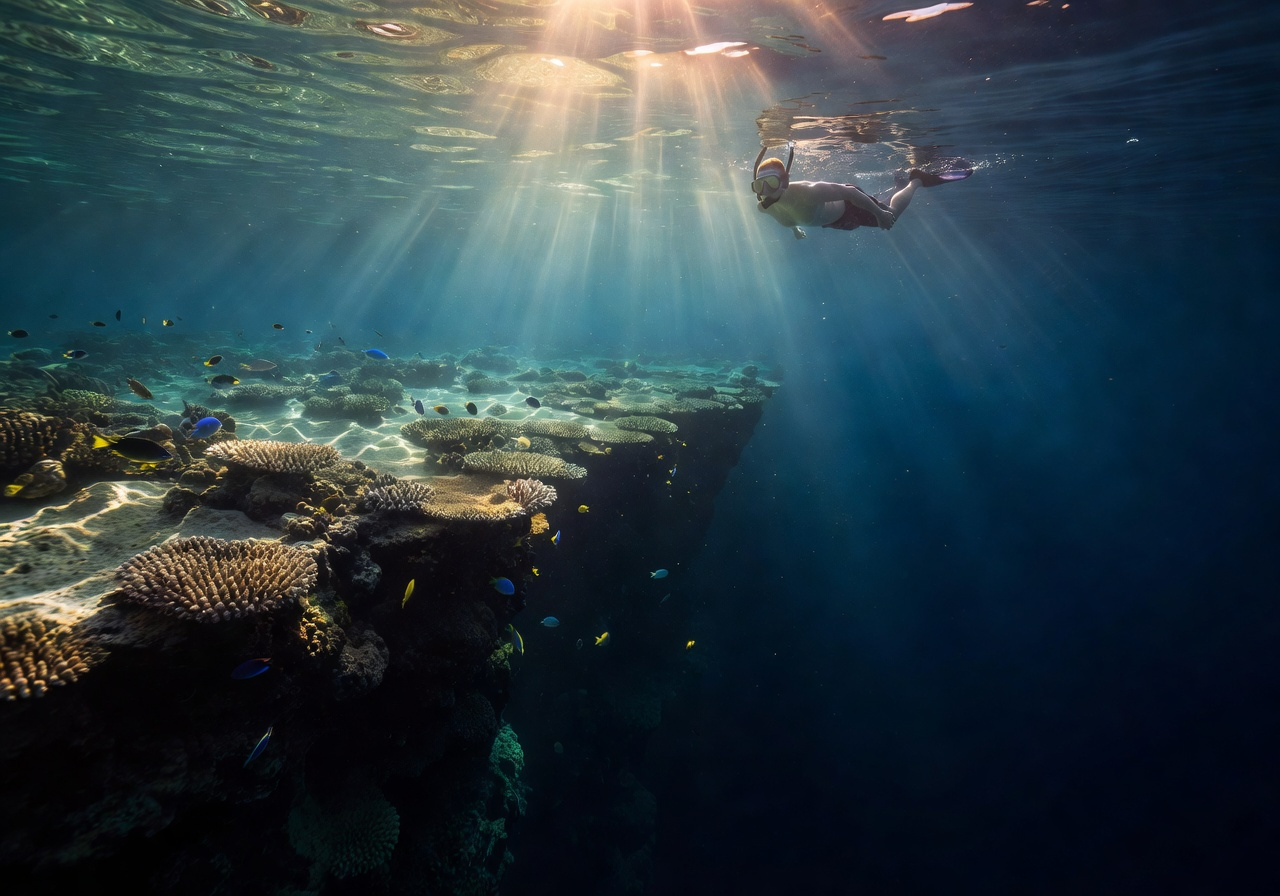
You'll see a whole lot of blue. Some days, a hypnotic kind of blue water that feels like ink, like the ocean decided to go theatrical. You'll also see the coral rim, plus the usual cast that hangs around the edge, and then at the other snorkel stops, you'll get the stuff people daydream about: corals, sponges, and schools of fish that look like they got painted in a rush.
If you need the blunt version, here's what's most likely, especially if you're comparing this to somewhere like Hol Chan:
- At the Blue Hole itself, you're there for the rim view and the sinkhole drama, not a dense reef garden.
- At the "bonus" sites, you're there for the lively reef action, the colorful fish, and the calmer-feeling swims.
- On a good visibility day, everything feels cinematic; on a meh day, it can feel like you traveled far to stare into a blue bowl.
That mixed bag is why the community consensus stays so split, and why critique-heavy writeups like this independent evaluation of Blue Hole snorkeling keep getting passed around by folks who'd rather you be happy than starry-eyed.
Rim view
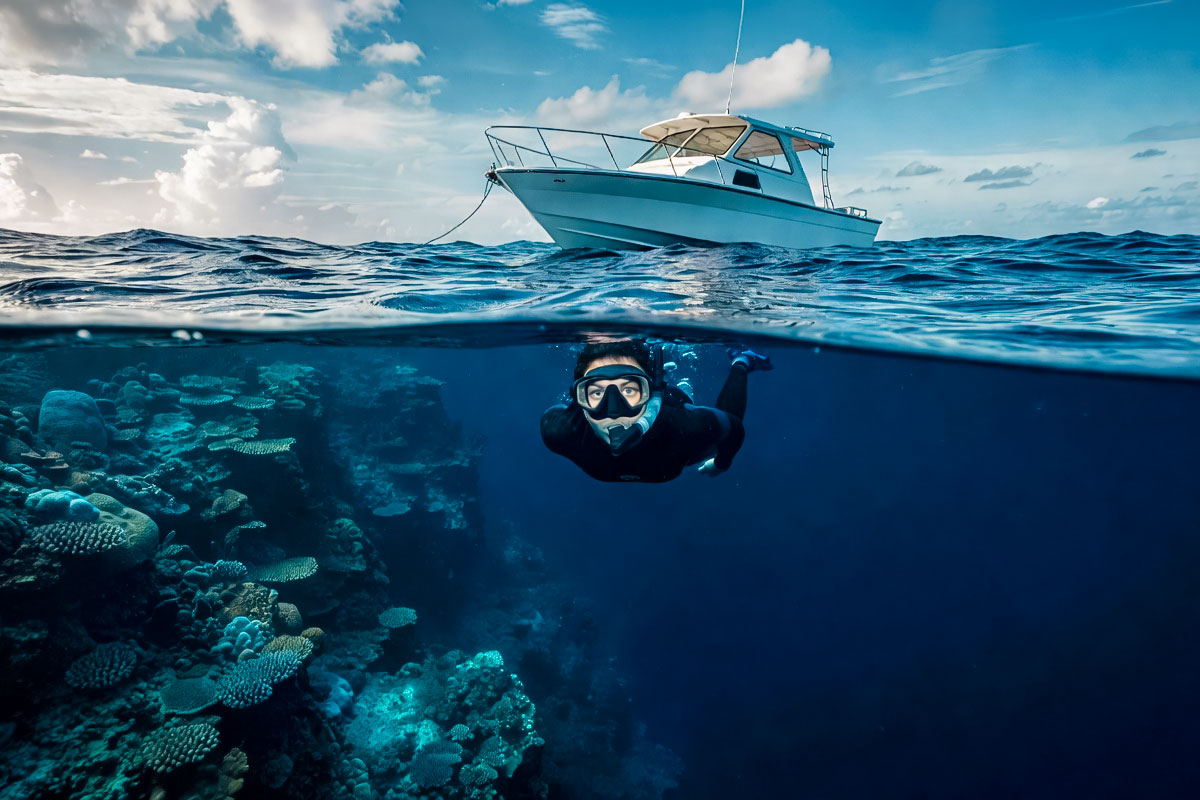
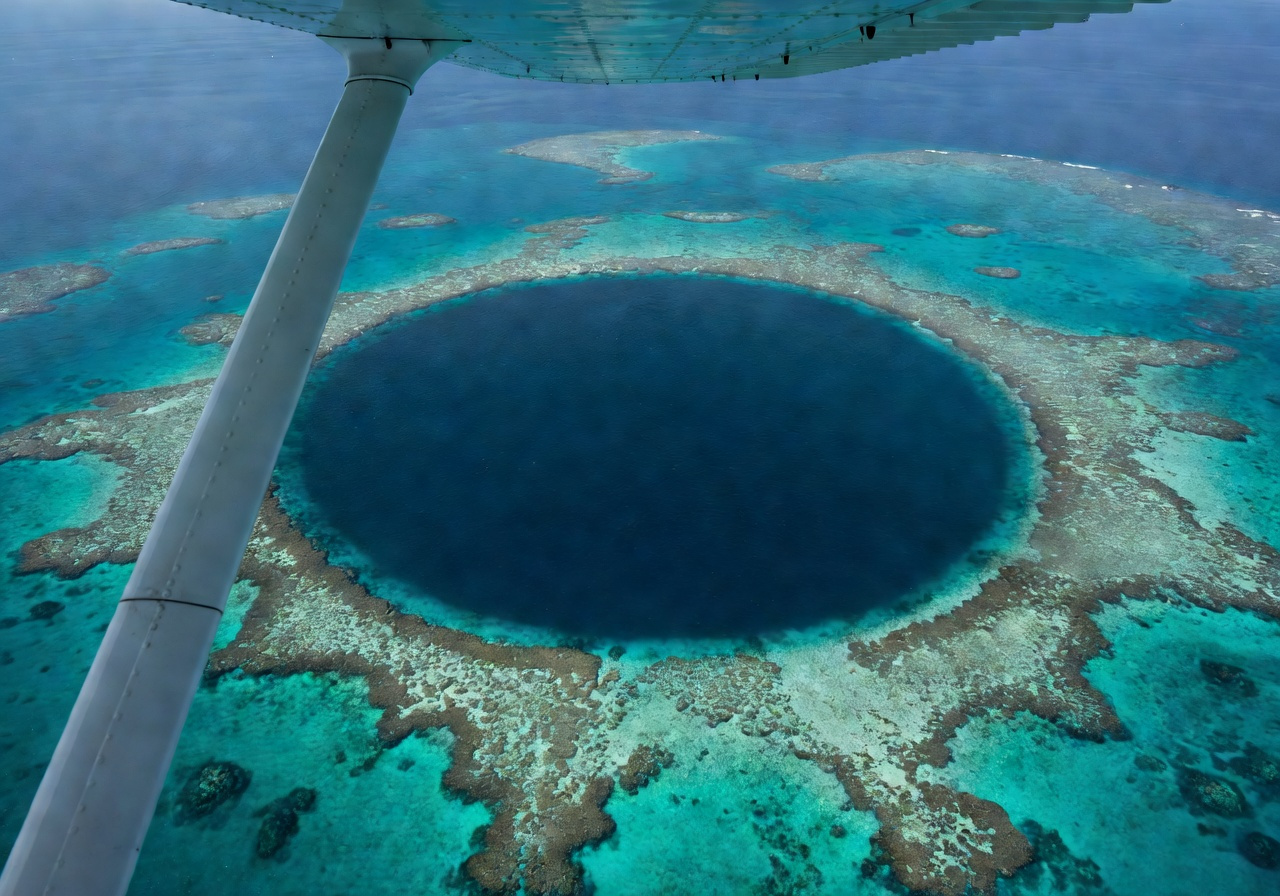
The Great Blue Hole is a massive underwater sinkhole encircled by a coral ring. From above, it's a perfect circle carved into the sea, a natural landmark that looks unreal in photos because it is. From the surface, you're basically swimming along the rim, peering down into the drop-off, feeling your brain do that little hiccup when it realizes there's no bottom in sight.
That sensation is the point. If you're a fan of geology, scale, and that odd "floating over space" feeling, you'll get it. If you're chasing constant marine life, your best moments will likely be elsewhere on the day trip.
Typical wildlife
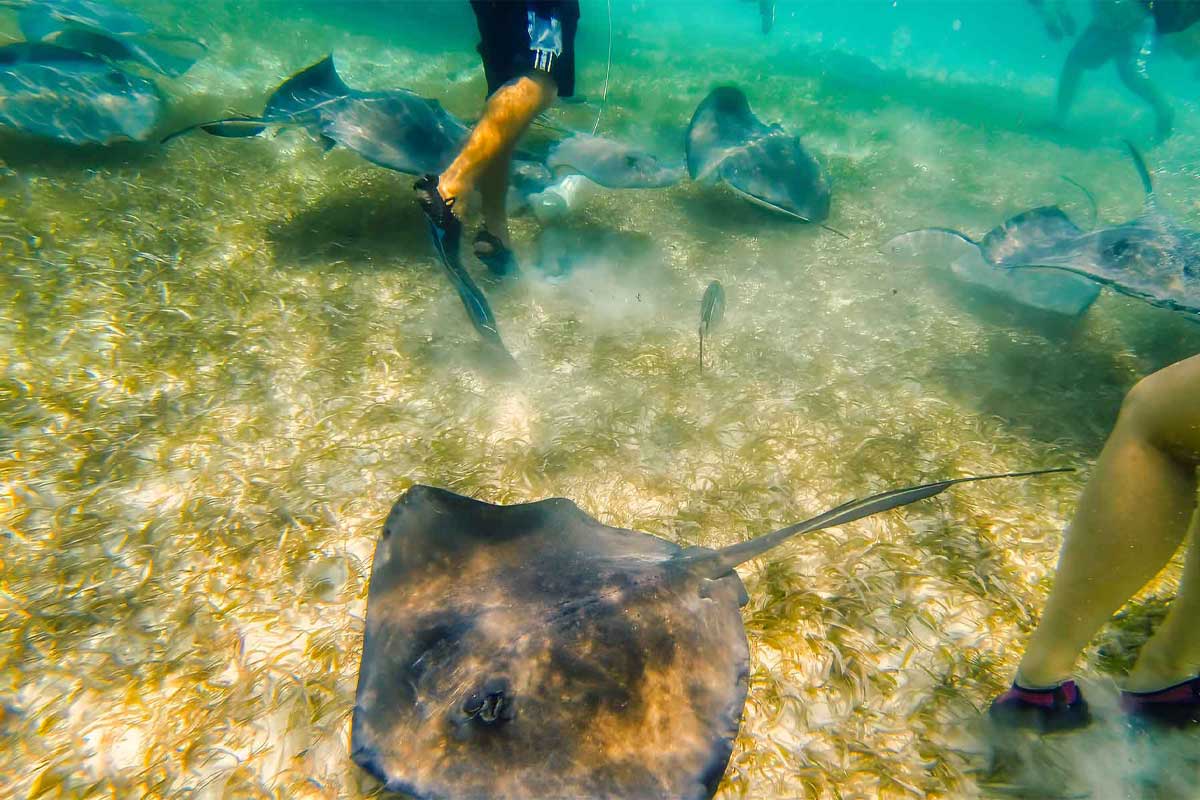
Along the rim and at the surrounding reef sites, you can expect reef fish and the usual Belize characters: parrotfish, angelfish, snapper, sergeant majors, and the occasional barracuda that looks like it's judging you. Rays happen. Turtles happen. Some days you'll spot a black durgon flicking about like it owns the place. Sharks are more of a "maybe," and usually more reliable at Shark Ray Alley than at the hole.
You'll hear stories about dolphins, too, mostly on the ride out or back, and yes, they're real, but don't plan your whole mood around a dolphin cameo.
Visibility shifts
Visibility offshore can be wild, like you could swear you're looking hundreds of feet through the water, then a weather system rolls through,h and it turns milky. Currents and wind direction matter. Season matters. Pure luck matters.
If you like nerdy reef health reading, the Mesoamerican Reef Health Report Card 2024 is a sober reminder that these ecosystems aren't just "pretty," they're under pressure, and your guide is making calls in real time about where it's safe and worth it.
How does the day run, start to finish?
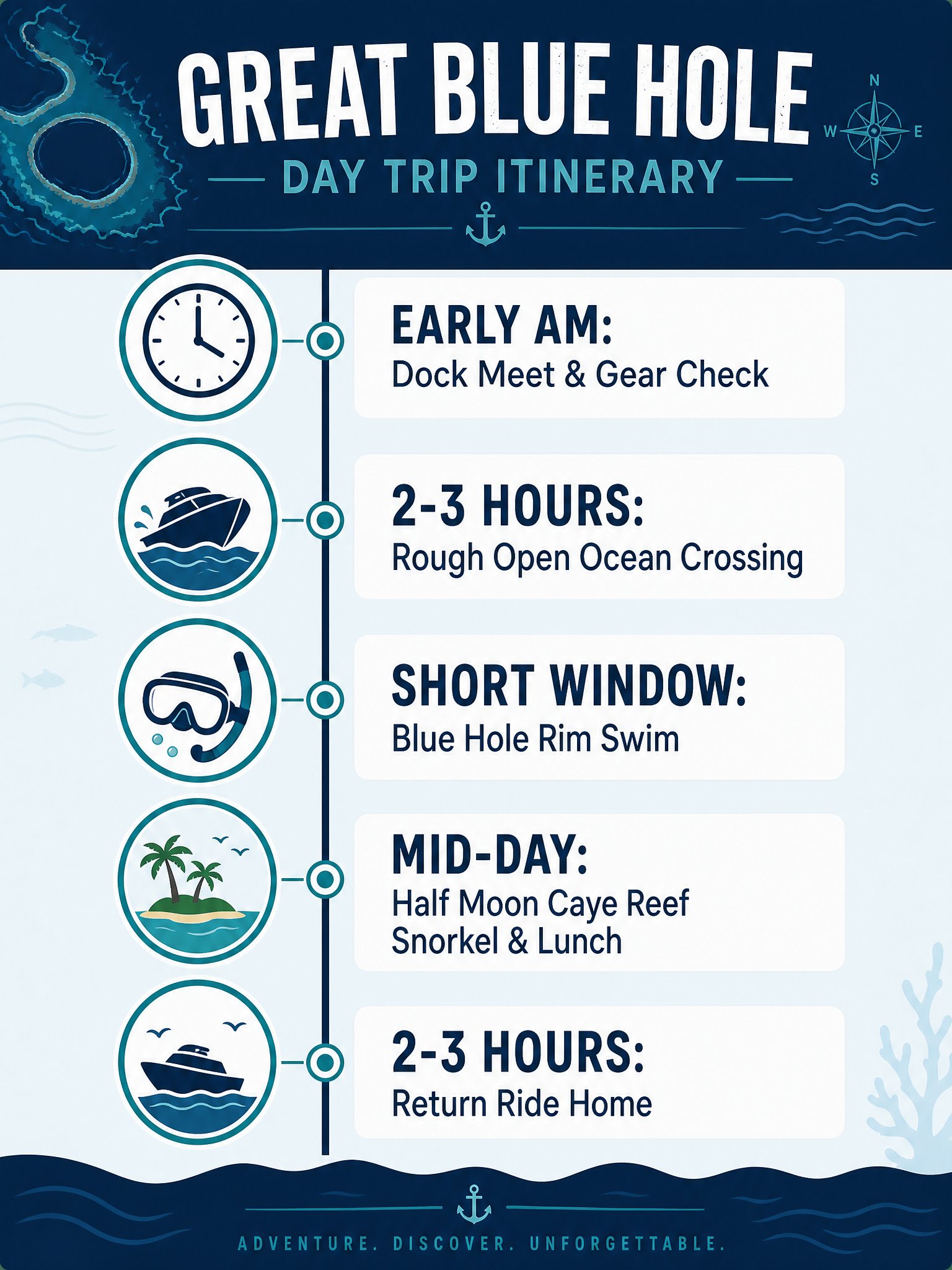
It's a full-day adventure. Early dock meet. Gear check. Bathroom break while you still have a bathroom that doesn't involve a bouncing boat and your pride. Then you're off.
Most operators run a similar rhythm because the geography forces it: you've got distance, atolls, and timing windows. A solid crew will brief you properly, keep first-timers close, and still make sure the rest of the t divers in your mixed group don't feel like they're paying to babysit.
A pretty standard flow looks like this:
- Depart early from San Pedro or Caye Caulker, sometimes even earlier from the mainland, depending on the operator and sea state.
- Long crossing out to Lighthouse Reef.
- Quick Blue Hole swim window, then you move on.
- Snorkel stops that actually deliver the "Belize reef" feeling, often including Half Moon Caye.
- Lunch, then another water session, then the long ride home.
I'm not trying to make it sound like a factory line, but it's a day built on logistics.
Departure timing
Expect a pre-sun start. Operators do it because the open ocean tends to behave better earlier, and because you need the daylight for multiple stops. If you're rolling in sleepy and late, you're the person everyone remembers, and not warmly.
Stop order
Stop order varies, but it's usually Blue Hole first, then the prettier snorkel stops. You might get Half Moon Caye mid-day, sometimes as a "reset" where you can stretch your legs on a tiny island and stop feeling like a human bobblehead.
Time in water
You're not in the water for hours straight. You're doing multiple sessions, usually shorter swims. The whole portion can feel surprisingly brief, partly because it's exposed and partly because there's not much reason to linger once you've "seen" it.
Your guide will keep an eye on fatigue, confidence, and that one person whose mouth is full of snorkel and panic at the same time. It happens. They'll handle it if they're good.
How rough is the boat ride, really?
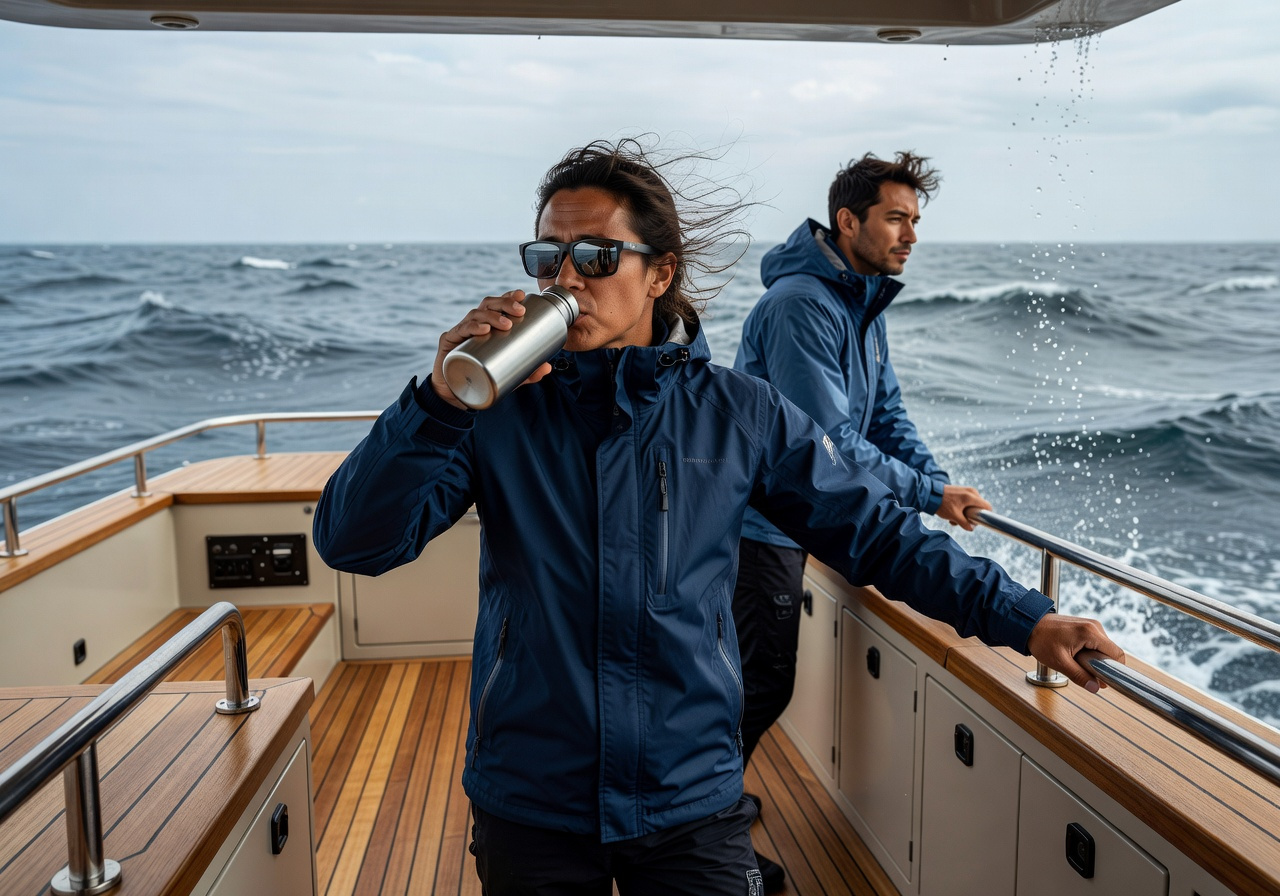
Rough enough that you should take seasickness seriously, even if you never get sick on a ferry. The ride out is open water, not the calmer lagoon behind the barrier reef. Conditions can shift fast, and when they do, the crossing becomes the main event, whether you wanted that or not.
You'll hear people complain about fumes. It's not imaginary. Boats are machines, and sometimes you're seated where the wind pushes exhaust. A smart captain will shuffle seating if they can, but no one's rewriting physics for your comfort.
Crossing time
From the cayes, you're typically looking at 2 to 3 hours each way, depending on the boat and sea. Call it an hour trip only if you're counting one small segment and lying to yourself. Bring patience.
Sea state
Wind creates chop. Channels between reef structures can slap hard. If the forecast looks ugly, good operators cancel. You don't want the "we go anyway" guys. If you want a sense of how weather-dependent the site is, even dive databases acknowledge it.
Comfort tips
You don't need a survival kit. You need common sense.
- Take motion sickness meds early enough to work, not when you already feel green.
- Bring more water than you think, plus sun protection that won't trash the reef.
- Eat light. Rice and beans are delicious, but maybe save the big plate for after, unless you enjoy drama.
- Pack a dry bag and a small towel. Also, spare clothes for the end, because wet plus wind on the ride back can feel cold.
Who should skip it, and who will love it?
This is where you stop pretending every iconic thing must be for you. Some trips are amazing, some are just expensive self-punishment, your call.
Beginners
Beginners can do it if they're comfortable in deep water and they're honest about their fitness and nerves. You're not touching bottom. You're floating, kicking, breathing, listening to your guide. If you want your first snorkel to be gentle and confidence-building, do Hol Chan first, then decide.
Kids
Some kids are little sea beasts and will love it. Some will hate the long ride, the sun, the waiting, and the awkward bathroom situation. If your kid gets motion sick, I'd steer you to a closer marine reserve and let the Blue Hole be a future-you problem.
Mixed groups
Mixed groups are common. Divers want the brag. Snorkelers want the pretty. Operators manage it by treating the Blue Hole as the iconic stop, then delivering the real "wow" at other sites. That balance is the whole product.
If your group can't agree, one compromise is to skip the boat entirely and do a scenic flyover; the aerial view is the cleanest way to appreciate the perfect circle without earning it via seasickness.
Safety rules that matter on this trip
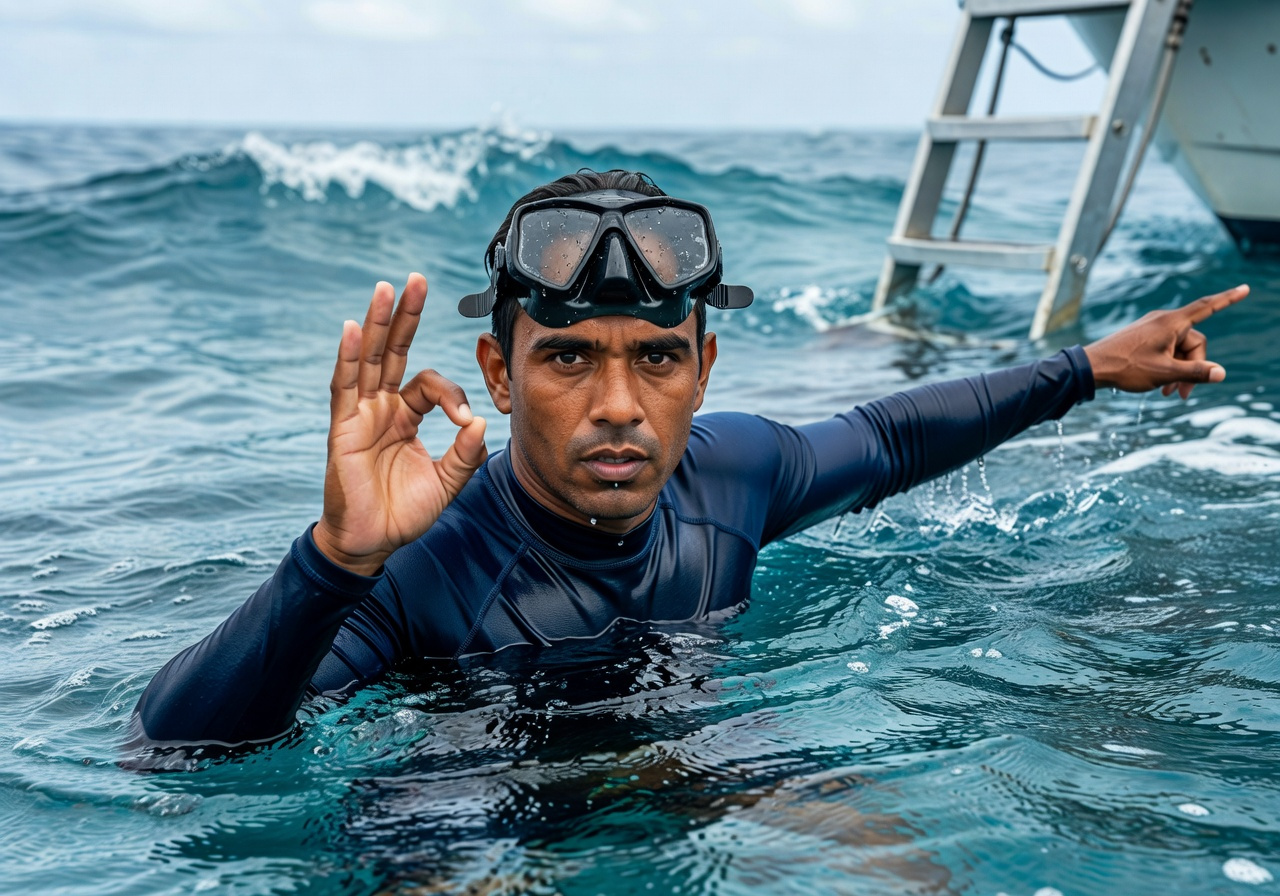
The safety brief isn't theatre. Offshore sites stack small risks into big ones if you get cocky: fatigue, dehydration, currents, boats moving around you, and that psychological wobble that comes when you look down and see nothing but blue.
Belize also has real conservation commitments in place, and reputable operators act on them, especially regarding plastic waste and protected area rules. Reef etiquette is not optional.
Depth limits
For snorkelers, you're staying at the surface. The depth below you is irrelevant to your body until panic makes it relevant. That's the real issue. You need to be comfortable floating over deep water without spiraling into a mental state.
Divers have their own depth profiles and training concerns, and the Blue Hole is famously a bucket list dive, not a casual splash.
Currents
Currents can tug along the rim and around atoll edges. A good guide reads the day and adjusts entry points, keeps the group tight, and calls the swim early if it's turning into work. You don't argue with that call. You say "yes, boss," and you live longer.
Guide expectations
Expect hands-on leadership: clear entry and exit instructions, head counts, ID checks on gear, and someone watching your face for the moment confidence cracks.
Compare it to the closer reef snorkel sites.
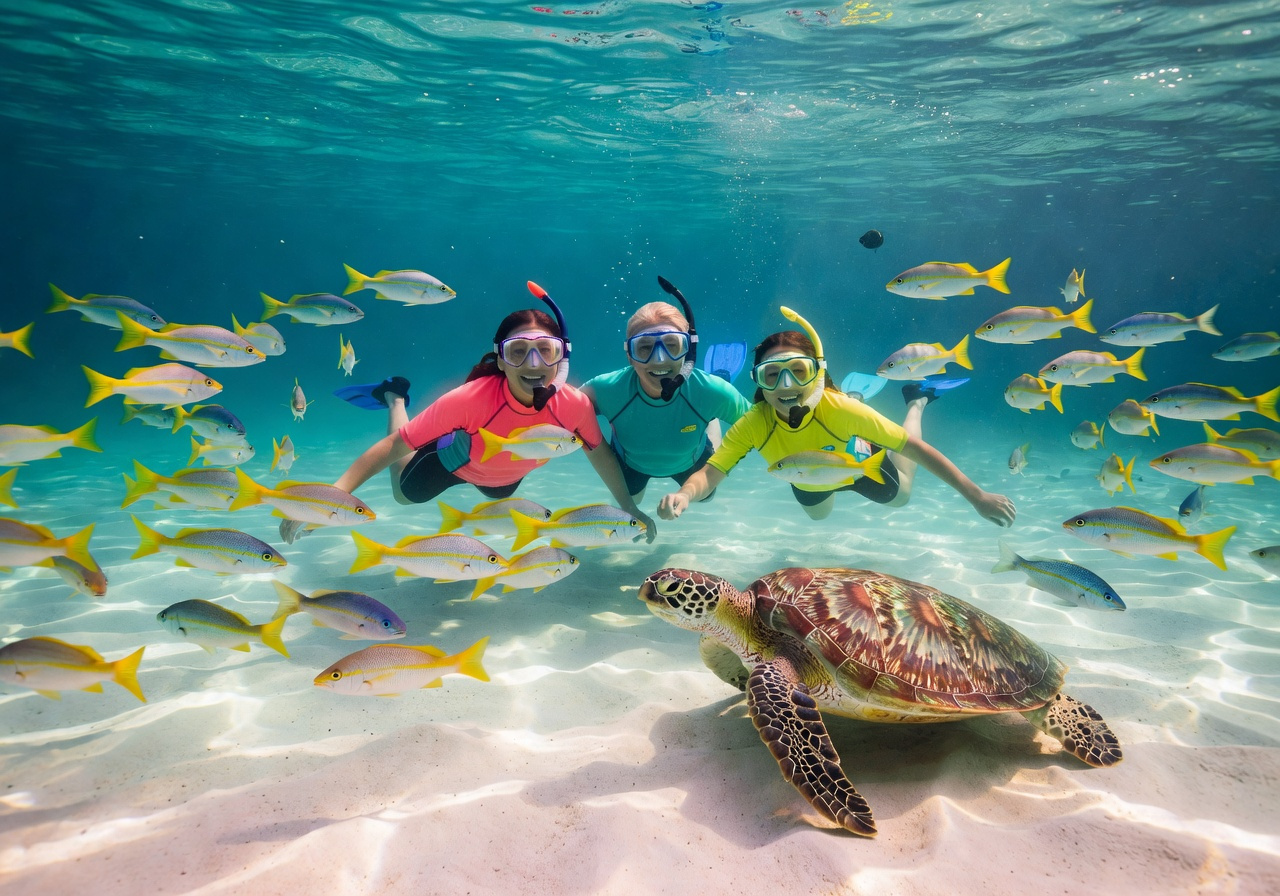
If you only have a few days in Belize, the Blue Hole trip competes with easier wins. Not morally. Practically. You can do closer sites with less travel time, more reef life, and way less chance of losing your lunch.
Here's a quick, honest comparison table people tend to appreciate after they've already wasted money once:
| Option | Ride + effort | What you're paying for | Best for |
|---|---|---|---|
| Great Blue Hole day trip | High | Iconic rim swim + brag + bundled stops | Bucket-list types, mixed groups who can handle sea |
| Hol Chan Marine Reserve | Low | Reliable fish action, easier conditions | Beginners, families, short stays |
| Half Moon Caye stop | Medium | Beautiful island vibe + strong snorkel | People who want both beach and reef time |
Hol Chan
Hol Chan is the crowd-pleaser. It's accessible from Ambergris Caye, it's loaded with fish, and it's the kind of place where a first-timer can relax into the rhythm. If you want that "I saw everything" feeling without spending half the day on a boat, this is where you start.
Half Moon Caye
Half Moon Caye is where a lot of snorkelers quietly admit they had the best swim of the day. The water tends to be gorgeous, the island is legitimately pretty, and it scratches that perfect island fantasy in a way the Blue Hole itself doesn't, because the hole is more vibe than wildlife.
Lighthouse Reef
Lighthouse Reef Atoll is the larger stage that hosts the Great Blue Hole, along with other sites that can be more biologically rewarding. It's remote, it's exposed, and it's a commitment. You go because you want the atoll experience, not because you want to pop out for an hour and be back in town for pie.
Plan the trip without wasting money.
Prices swing by season, operator, inclusions, and where you depart from. The biggest financial mistake is booking the Blue Hole when what you actually wanted was easy reef snorkeling and a nice lunch. The second biggest mistake is booking the cheapest option and acting shocked when the boat is crowded, and the gear feels tired.
Book when the forecast looks stable, and give yourself schedule slack for weather cancellations. Offshore trips get canceled. That's normal. Don't build your whole week around one day like it's a wedding.
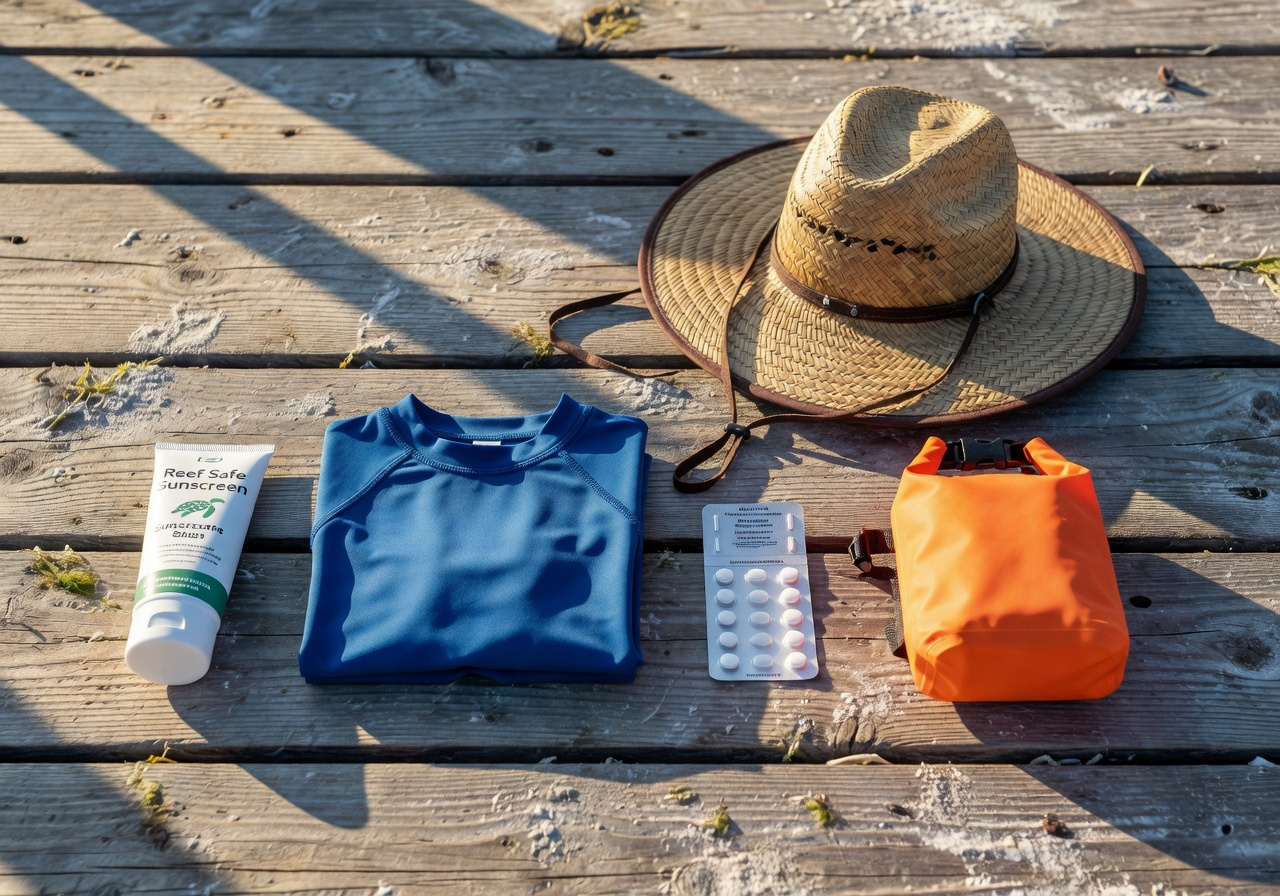
Also, bring what actually helps: reef-safe sunscreen, a rash guard or light suit (even Belize guide sites point out why, like this Belize Barrier Reef snorkeling guide, and a hat that won't launch itself into the sea at 25 knots.
Choose a tour operator with confidence
You want an operator who treats the reef like a living system, not a theme park. Belize has protected areas all over, and the better companies behave accordingly if you like getting a pulse on aggregated feedback before you hand over your card.
When you're comparing options, look for clarity on group size, guest-to-guide ratio, crew quality, and how they handle mixed abilities. Also, ask straight up about cancellation policy and seasickness support. You're not being "difficult." You're the person who wants to enjoy the day.
If you're stitching Belize into a bigger Central America run and you want someone to handle the planning without turning it into a spreadsheet war, this is where a seasoned DMC like Authentic Travel Belize becomes the quiet advantage, because thirty-plus years in the region usually translates to better operator matchmaking and fewer dumb surprises at the dock.
FAQ
Is Blue Hole snorkeling "worth it" if you don't dive?
It's worth it if the icon matters to you and you can handle the ride. If you only care about reef life, you'll usually get more joy from closer reserves and atoll reefs.
How deep do you snorkel at the Great Blue Hole?
You stay on the surface along the rim. The depth is below you, not where you're swimming, but the psychological effect of that depth is real.
How long is the boat ride from San Pedro?
Often 2 to 3 hours each way, depending on conditions and vessel.
Do trips get canceled for weather?
Yes. Offshore wind and sea state drive safety. If you see an operator bragging they "never cancel," treat that like a red flag, not a perk.
Where can you confirm the site is officially "the" Blue Hole?
Belize's tourism listings describe it simply as a flagship attraction at Lighthouse Reef, as on the official Travel Belize Blue Hole page.
Conclusion
If you want the clean truth: the Blue Hole trip is a long, offshore boat day built around one iconic rim swim and a set of snorkel stops that often steal the show. You'll probably see plenty of fish, maybe a turtle, maybe rays, and you'll definitely feel the scale of the sinkhole in a way photos can't quite deliver. You might also feel wind, chop, and the limits of your stomach.
So decide like an adult. If you're chasing the story and you can handle the ride, go. If you're chasing nonstop reef color, keep it closer, save your energy, and spend more of your time actually in the water instead of commuting across the sea.