
Belize Travel Blog

Local travel wisdom, cultural stories, and practical Belize guides to help you

plan a richer journey. Explore reef islands, Maya sites, rainforest adventures,

wildlife, food, family travel, and custom itinerary ideas across Belize.

A sleek, stylized hummingbird in flight, holding a small scroll or message envelope in its beak. For the Belize Travel Blog

Explore Belize Travel Guides

May 15, 2026

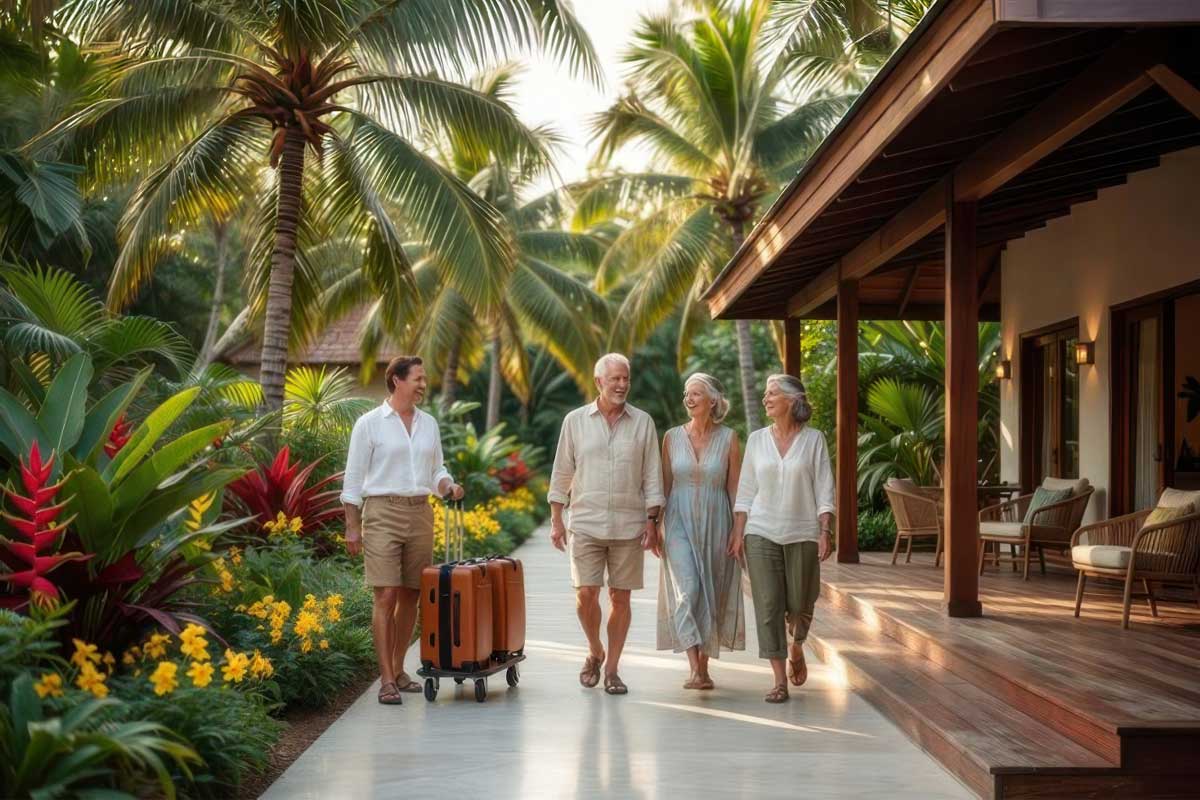
Family arriving at Belize boutique hotels with senior-friendly accessibility and flat entrance design

Plan the best things to do in San Ignacio, Belize

Belize boutique hotels senior-friendly accessibility

Verified step-free rooms, grab bars, and quiet locations with staff ready to help.

You can love Belize and still admit the obvious: a lot of boutique stays are adorable right up until you're dragging a suitcase over uneven stone, hunting for a handrail, and realizing the "charming" staircase is the main route to your room.

So the straight answer, upfront, is this: boutique hotels in Belize feel senior-friendly when the property is built (or retrofitted) for step-free movement, the bathroom is set up for real safety, the staff actually problem-solves around mobility, and transportation is predictable. And because Belize is a beautiful country with wildly mixed infrastructure, that friendliness varies more than people want to admit.

You're not trying to "conquer" anything. You're trying to have a joyful trip, protect your comfort, and keep the whole journey from turning into a daily logistics puzzle for your elderly parents, your parents, or you. That's the bar.

What makes a stay easy for older travelers?
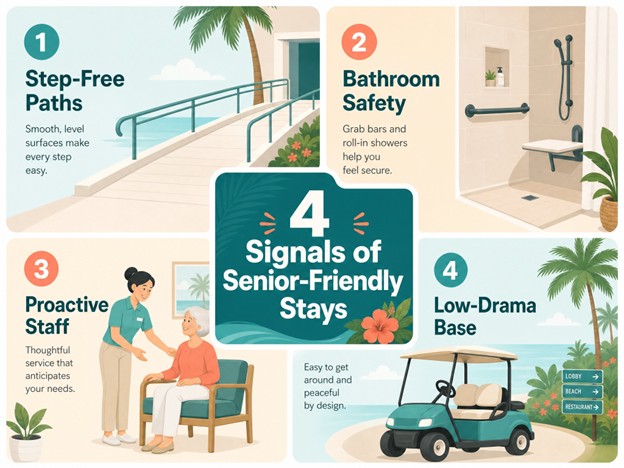
Chart showing 4 signals of senior-friendly accessibility at Belize boutique hotels, including walkable layouts, transportation, comfort, and personalized service

Boutique properties sell vibe. Seniors need functionality. When those overlap, you get joy rather than friction, and your guests feel calm all week rather than slowly unraveling.

I keep coming back to four practical signals, the ones that actually change your experience over time.

  • Step-free routes you can trust, not just "a ramp somewhere."
  • Bathrooms that assume someone will slip unless you design against it
  • Staff support that treats accessibility like normal hospitality, not a special favor
  • A low-drama home base near the places you plan to visit, so your pace stays humane

Step-free paths

Step-free paths are the difference between "easy walk" and you calculating every threshold like you're doing engineering. You want ramps with a sensible slope, firm surfaces, and lighting that doesn't turn walkways into shadows at night. In Belize, the gotchas are predictable: sandy entries, loose pavers, docks, and that one sneaky lip at the doorway that catches canes and wheels.

If you're browsing properties around San Ignacio, one reason I keep seeing people mention the same places is that some have already been written about on-property senior mobility realities, like the practical notes baked into the San Ignacio Resort Hotel's senior travel guidance. You're looking for evidence that the resort has considered impaired users beyond its marketing copy.

Bathroom safety

Boutique bathrooms can be stunning and still be a menace. Rain-style showers without a seat. Polished tile. No grab bars. Fancy sinks with nowhere to brace. That's how you burn a day of a trip, fast.

You want a shower you can enter without a gymnastics routine, sturdy grab bars (not towel racks pretending to be grab bars), a non-slip floor, and enough space that you're not pinballing off fixtures. If you use a walker, "spacious rooms" should include the bathroom, not just the bedroom.

One property that's unusually specific about this is Ka'ana, which lays out details like roll-in showers and lowered switches in its accessibility information. That level of specificity is what you're hunting for across the board, even if you don't stay there.

Staff support

A boutique hotel's superpower is people. Not amenities. If the staff is attentive in the real way, they'll quietly solve the stuff that would otherwise sap your time: arranging ground-floor rooms, coordinating golf cart pickups, bringing a chair for the dock wait, adjusting meal timing, flagging which archaeological sites have benches and shade.

This is also where locally owned lodgings can shine. When owners are actually onsite, you often get that hard-won "sense of place" and direct accountability. It's not always perfect, but the service tends to be human, not scripted, and that matters when unique needs pop up mid-week.

Evaluate access details before you book

Couple reviewing Belize boutique hotels with senior-friendly accessibility feature

This is where most people get lazy. They glance at a listing, see "accessible," and assume ADA-style consistency. Belize does not run on that kind of standardization, and boutique properties, especially, can be inconsistent from room to room.

A good approach is to treat the hotel website like a contract: if it's vague, you assume the hard parts are hidden.

Accessibility statements

Some properties publish accessibility statements. Great. The problem is that a statement can mean anything from "we care" to "we measured."

A surprisingly useful side tactic is to check whether their website even behaves as if it were built for users with impairments. If the booking engine breaks under screen readers, if you can't navigate forms with a keyboard, if basic menus require a mouse, that's a clue about the operation's overall maturity. The World Wide Web Consortium's WCAG and the Web Content Accessibility Guidelines Level AA standard aren't just web-nerd trivia. They're a proxy for whether the business respects accessibility as a real constraint, not a slogan.

If you want a quick scan of how uneven "accessible travel" labeling can be by destination, you'll notice the general tone on Booking.com's accessible travel notes for Belize: lots of options, inconsistent detail, and a heavy need to verify.

Room measurements

Ask for measurements. Real ones. Door widths, shower entry lip height, bed height, turning radius in the bathroom, and whether a ground-floor unit is truly step-free from parking to the room. If a property can't answer, that's data.

Here's a small comparison table you can use when emailing or calling. Keep it simple, keep it measurable.

What you ask What you're really verifying What "good" sounds like
"Is the route from drop-off to room step-free?" No hidden steps, curbs, or sand traps "Yes, continuous ramp/level path, firm surface"
"Do you have a roll-in shower or a walk-in with a low threshold?" Bathroom fall risk "Roll-in" or "low lip," plus grab bars
"Any stairs to the restaurant/pools?" Daily friction points "No stairs," or "ramp available," clearly described
"Can you confirm door widths?" Mobility equipment compatibility Specific inches, not "standard."
"Do you have nighttime lighting on paths?" Trip hazard control "Yes, lit paths," not "usual.y"

Photo verification

You're allowed to be annoying. Ask for photos of the exact room entry, bathroom, and the path to breakfast. A wide shot hides thresholds. A close shot reveals them.

Also, look at third-party photos, not just curated ones. If you want a broad pool, TripAdvisor's accessible hotel listings for Belize can help you triangulate what "accessible" actually looks like in the wild.

Choose the right base for comfort.
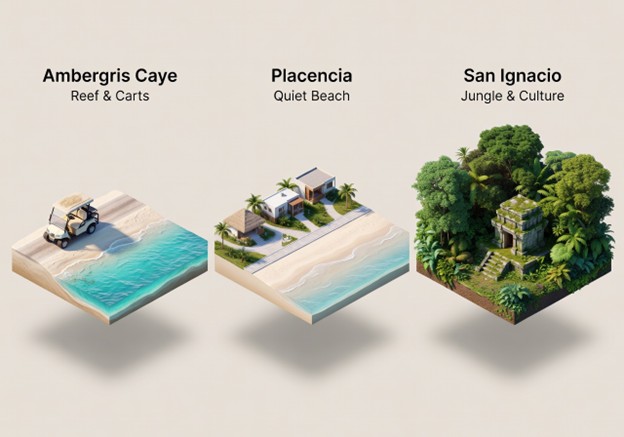
Chart comparing Belize boutique hotels with senior-friendly accessibility, comfort, and travel convenience for older travelers

Belize is compact on a map and not always compact in your knees. Your base determines your daily load more than your tour choices do.

Ambergris Caye

Ambergris Caye gives you reef access and a town (San Pedro) where golf carts are basically the bloodstream. The upside is easy snorkel logistics, casual restaurants, and short hops that keep your pace mellow. The downside is terrain: patches of uneven sidewalk, puddles, and the occasional "sidewalk ends, good luck" situation.

If you're doing reef days, keep it gentle. Hol Chan is famous for a reason, and if you're checking rules and entry logistics, the Hol Chan Marine Reserve information is worth a glance before you commit to boat time.

Placencia Peninsula

Placencia tends to feel lower-rise and calmer, which is why you'll see it recommended for generational travel and quieter resort vibes. It's a nice fit if your group wants beach, pools, and easy evenings without feeling like you're dodging bachelor parties.

The common thread from travelers is also the most boring one: arrange reliable local transit, because walking long distances on heat-soaked afternoons is not the point. You'll see properties becoming more explicit about this, as in Coconut Row's discussion of its accessibility and practical setup.

San Ignacio

San Ignacio is your jungle base, and it's where you can do temples, culture, and wildlife without committing to hardcore trekking. It's also where a scenic drive can be comfortable if you plan it right and take breaks.

You're close to Xunantunich, and if you pick guides who understand pace, you can still get your archaeological sites fix without turning it into a stair-climb contest. Also, San Ignacio Town has real life: the San Ignacio Farmers Market, small cafes, local crafts, and that feeling you're actually in Belize, not floating above it.

Plan low-stress transport between places.s

Guest arriving by golf cart at Belize boutique hotels with senior-friendly accessibility

If you're traveling with seniors, transport is the spine of the trip. Break the spine, and the whole week feels longer.

Airport transfers

Most international arrivals come through Philip Goldson International Airport, outside Belize City, so you want to be boring and prepared there. Pre-book a private transfer, ask about the vehicle's step height, and confirm whether it can accommodate mobility aids.

Also, don't "wing it" on safety planning. It's smart to scan the U.S. State Department's Belize travel information and the current Belize travel advisory so you can make choices with your eyes open, not fear or fantasy.

This is where a Belize-based operator earns their keep. If you want someone who can stitch transfers, hotel coordination, and low-impact tours into one coherent plan, this is exactly the lane for Authentic Travel Belize, especially if you'd rather not be the family's full-time dispatcher via email all week.

Water taxis

Water taxis can be fine or stressful, depending on the docks and boarding conditions. You want to ask about boarding assistance, how stable the gangway is, and whether there's seating during waits. Heat, standing, and crowds are where energy drains.

For some travelers, staying put and day-tripping is better than island-hopping. Less ferry time, more comfort. Simple math.

Golf cart rentals

Golf carts are a way of freedom in Ambergris Caye and sometimes in Placencia, too. The trap is assuming you'll walk "just a little." In humidity, "just a little" can be a lot.

Ask the hotel to arrange a cart delivery, confirm the seat height, and confirm whether it's street-legal where you're staying. Also, ask about headlights for evening dinner runs. Yes, it's unglamorous. It's also how you keep the trip from feeling like work.

Use a gentle 7-day Belize itinerary.
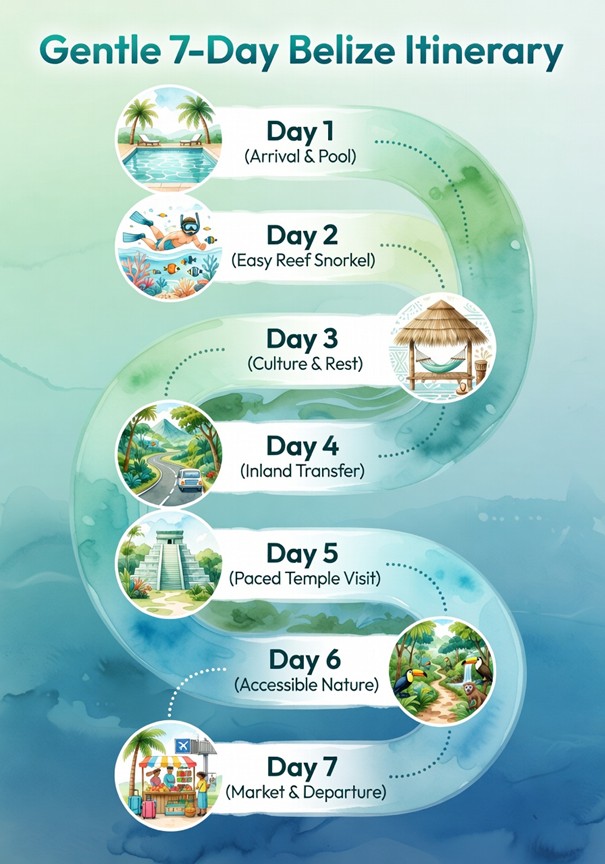
7-day Belize itinerary featuring Belize boutique hotels and senior-friendly accessibility

You don't need a punishing Belize itinerary to get rewarding experiences. You need a sample itinerary that respects heat, recovery, and the fact that joy shows up when you're not exhausted.

Day 1: Arrive, transfer to your home base, unpack, relax by the pool, and enjoy a leisurely dinner. If you're in Belize City briefly, keep it minimal, then move on.

Day 2: Easy reef day if you're on the coast. Short snorkel window, plenty of seated time, and a relaxed lunch after. If you prefer low motion, choose the glass-bottom boat option and keep swimming optional.

Day 3: Cultural day. Slow morning, then a small food stop for Belizean treats, then an early afternoon break. Schedule outdoor time in the morning, not peak sun. Your relaxed afternoon is sacred.

Day 4: Transfer inland to San Ignacio. Break the drive with a clean rest stop and hydration. Settle in, walk only as far as feels easy, and let the jungle views do the heavy lifting.

Day 5: Xunantunich in the morning with a guide who won't rush you, then back for rest. If you're curious about who to hire, I've seen good outcomes when travelers choose specialists like Cayo Gial Tours Guides, who understand pacing and don't treat it like a race.

Day 6: Choose one nature day. Mountain Pine Ridge Forest Reserve can be gorgeous without being extreme if you pick the right stops and avoid slippery rocks. Big Rock Falls is pretty, but treat it as scenery, not a mandatory climb.

Day 7: Market morning in San Ignacio Town, then head back toward the airport corridor and get ready for your flight home without drama.

If you want proof that Belize isn't some tiny niche destination anymore, the inbound numbers on the Belize Tourism Board's statistics portal and the macro view on WorldData's Belize tourism overview show a steady flow of travelers, which is good news for services, and sometimes bad news for crowds.

Pick senior-safe tours and activities.
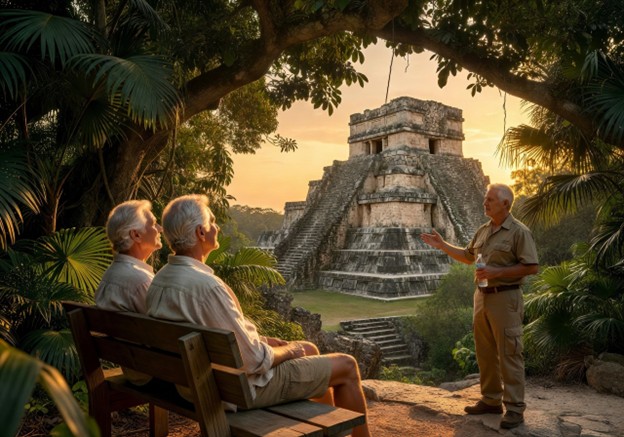
Senior couple exploring Maya ruins with a guide near Belize boutique hotels and senior-friendly accessibility tours

You can absolutely do wildlife and culture with seniors. You have to avoid macho itineraries disguised as "soft adventure."

Aim for outings with seating, walking optional, and bathrooms planned, not hoped for. If you want a quick check on Belize's built environment, Travability's older but still relevant notes about ramps and architectural barriers in this Belize accessibility breakdown line up with what you'll hear from residents in threads like the Guide to Belize mobility discussion and travelers comparing notes in the Belize vacation mobility thread. It's not doom, it's realism.

A few activity types tend to land well for seniors and mixed ages:

  1. A guided Belize Zoo visit or a similar level-ground wildlife stop, especially when the operator is used to mobility constraints, as described in Sage Traveling's accessible Belize tours guide.
  2. A half-day temple visit with benches and shade planned, using tips echoed by travelers in the senior-friendly excursions thread.
  3. A conservation-focused stop like the Green Iguana Conservation Project, where you can sit, learn, and still feel close to green iguanas without turning the day into a hike.

On reef days, I like it when operators follow responsible tourism rules, because it often correlates with calm, organized boat handling. The guidance on responsible reef tourism in Belize is a decent north star.

Also, keep an eye on medical reality. Belize is not built like a giant U.S. metro area. If you want a sober snapshot of medical care and evacuation constraints, the Caribbean BlueBook advisory for Belize is worth a read, then move on with your life.


Conclusion

Belize can be a fantastic destination for seniors, generational groups, and relatives traveling together, but only if you stop pretending "boutique" automatically means "easy." You win this trip by choosing a comfortable base, clarifying accessibility details, and building days that leave room for rest, meals, and beautiful views.

Do that, and the country gives you the good stuff: reef color, jungle hush, culture that feels lived-in, and memories that don't come with a limp. (And yes, you can still sneak in a nice dinner, even if it's somewhere surprisingly polished like W Restaurant, as long as you plan the ride and don't make anyone sprint for a table.)


Frequently Asked Questions

Are boutique hotels in Belize usually ADA-compliant?
No consistent standard. Some properties have accessible rooms and thoughtful design, many don't. You need to verify room by room and path by path.
Is Ambergris Caye walkable for seniors?

Parts of San Pedro are, but uneven surfaces and heat make golf carts the most comfortable mode of transportation for many users, especially for longer distances.

What's the easiest inland base for temples without overdoing it?

San Ignacio, because you can do Xunantunich at a controlled pace, then recover at your resort. It's also a good spot for quieter countryside scenery.

How do you vet accessibility info when a website is vague?

Ask for measurements and photos. If they can't provide basics, assume the operation hasn't prioritized accessibility. Bonus tell: a booking site that's unusable with screen readers or keyboard navigation often hints at the same lack of care offline.


What currency should you carry?

Belize dollars (BZD) and USD both circulate; the common rate is $1 USD = $2 BZD.
Length of Stay Best For Planning Notes
2 nights Travelers with limited time who want one main inland experience Useful but compressed. Choose carefully and avoid adding too many demanding activities.
3 nights First-time visitors who want a balanced introduction Often enough for one major Maya site, one cave or nature experience, and some town or recovery time.
4 nights Travelers who want a stronger inland Belize rhythm A good general recommendation for archaeology, jungle or river experiences, cultural time, and better pacing.
5+ nights Families, birders, archaeology travelers, slower-paced travelers, or those adding Caracol or Tikal Allows more specialization, softer days, and less pressure to make every day strenuous.

A shorter stay can work when expectations are clear. A longer stay should not become an excuse to overload the schedule. A good inland journey is not a race between ruins, caves, rivers, and lodges.

Maya Archaeology Near San Ignacio

San Ignacio is one of Belize’s strongest bases for Maya archaeology because several important sites can be reached from the Cayo District. The sites should not be treated as identical ruins with different names. Each offers a different scale, setting, interpretive value, and level of effort.

Maya Sites Near San Ignacio

Site Experience Character Best Fit
Cahal Pech Close to San Ignacio, compact, layered, and useful for orientation Travelers who want an accessible introduction to Maya archaeology and Belize Valley context.
Xunantunich A striking site approached by ferry, with El Castillo, sculpted friezes, and interpretive context First-time visitors, families with appropriate mobility, archaeology-curious travelers, and those wanting a strong half-day experience.
El Pilar A forested site shared in the Belize-Guatemala borderlands context, often quieter and more landscape-oriented Travelers interested in settlement patterns, forest setting, and less crowded interpretation.
Caracol A major Maya city deeper in the interior, requiring more time, road planning, and energy Archaeology-focused travelers with enough nights to make the longer journey worthwhile.
Tikal A major Maya site in Guatemala, usually treated as a wider Mundo Maya extension Travelers with time for cross-border planning, documentation checks, and a broader regional itinerary.

Cahal Pech can help travelers begin close to town. Xunantunich often provides the clearest first visual impression of monumental Maya architecture. El Pilar asks for attention to landscape and settlement, not only visible structures. Caracol should not be added casually to a short San Ignacio stay simply because it appears on a list. Tikal can be extraordinary, but it belongs to a larger cross-border conversation.

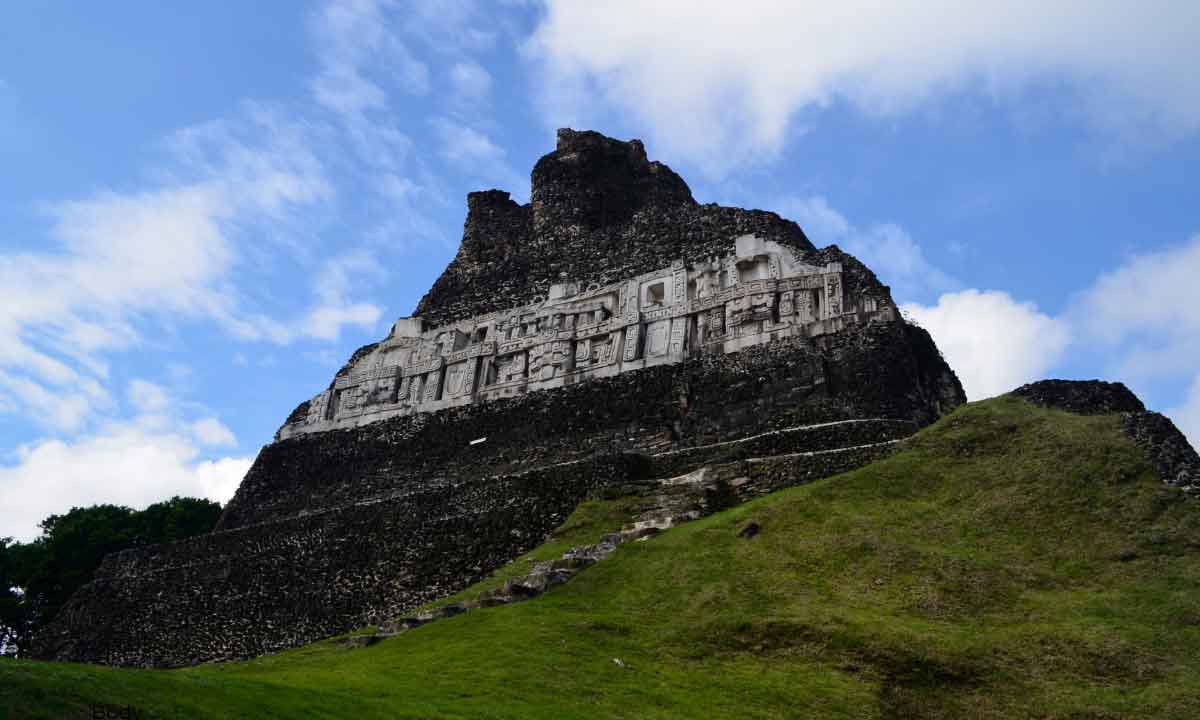
Xunantunich Maya site near San Ignacio, Belize, one of the best things to do in San Ignacio for travelers interested in Maya archaeology.

Xunantunich: More Than a View from El Castillo

Xunantunich is often one of the most rewarding half-day experiences from San Ignacio, partly because the approach itself begins to change the pace. Near San José Succotz, the route commonly involves crossing the Mopan River by hand-cranked ferry before continuing toward the archaeological reserve. That short crossing matters. It gently separates the modern road from the archaeological landscape and gives travelers a moment to arrive with more attention.

El Castillo creates the strongest visual impression for many visitors. Its scale, position, and commanding presence help travelers understand why Xunantunich remains one of the best-known Maya sites in Belize. But the site should not be reduced to a climb or a panorama. The sculpted friezes, the arrangement of plazas, and the site museum or interpretive center help place the architecture within a larger political, ceremonial, and artistic story.

A thoughtful guide can change the experience here. Instead of moving quickly from structure to structure, good interpretation can explain what is known, what is still debated, and how Xunantunich relates to wider Belize Valley history. For families, a guide may turn an architectural detail into a question rather than a lecture. For archaeology travelers, the value may be in connecting visible forms to social organization, ritual life, artistic expression, and regional relationships.

Respect also matters. Where climbing is permitted, travelers should follow current rules, avoid stepping on restricted surfaces, stay aware of heat and footing, and treat the site as a protected cultural place rather than a viewpoint. Conservation behavior is part of the experience. The memory should not only be the height of El Castillo, but the gradual understanding of why the site matters.

ATM Cave: Archaeology, Adventure, and Responsibility

ATM Cave is one of the most discussed experiences from San Ignacio, but the better question is not whether ATM Cave is famous. The better question is whether it is right for the traveler, the group, the season, and the wider itinerary.

Actun Tunichil Muknal is physically demanding and culturally sensitive. Travelers should expect water, uneven footing, enclosed spaces, and close guide control. The experience requires physical readiness, respect for instructions, and acceptance that conditions may affect the visit. It should never be framed only as a thrill activity.

A good guide matters here not only for safety and route management, but for restraint. The guide’s role is to help travelers move carefully, understand where they are, and respect the archaeological and ceremonial context. That restraint is part of the value. It keeps the experience from becoming spectacle.

ATM can be deeply meaningful for travelers who are prepared for its demands. It can be the wrong choice for travelers with mobility limitations, discomfort in water or caves, certain medical concerns, very young children, or anyone expecting a low-effort day. In private planning, deciding not to include ATM can be a sign of good judgment, not a missed opportunity.

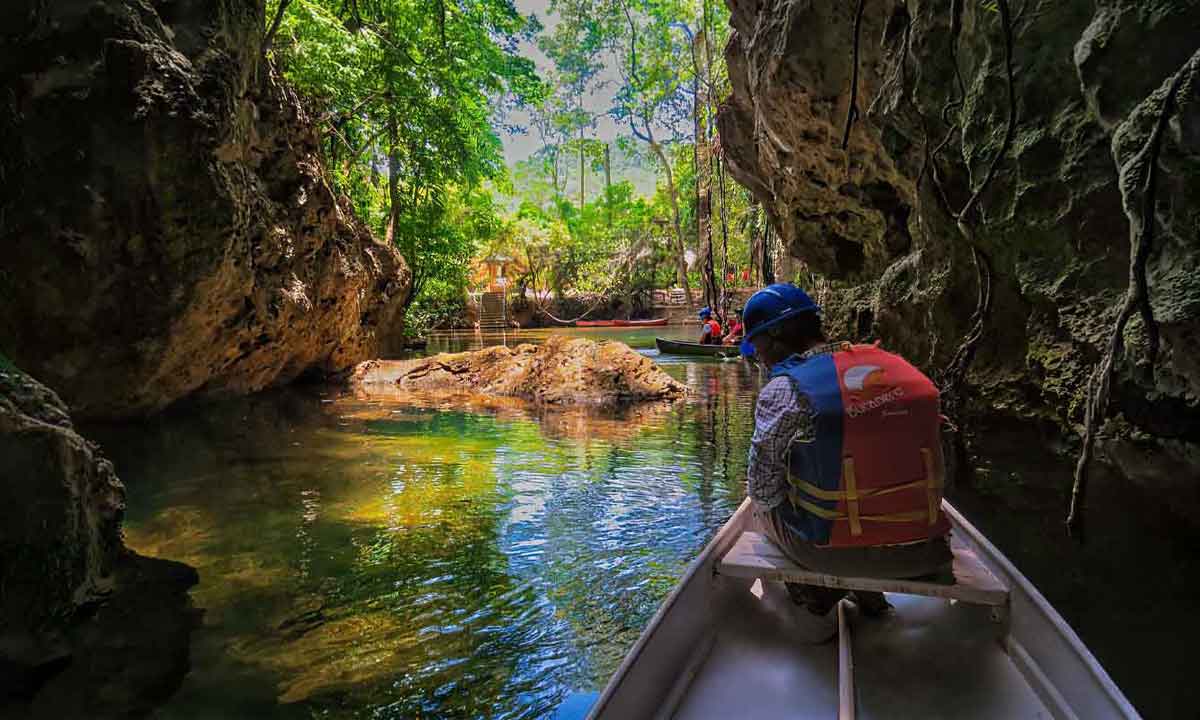
Canoe entering Barton Creek Cave, one of the best things to do in San Ignacio for travelers interested in Maya archaeology and jungle adventure

Barton Creek, Rivers, Forest, and Softer Adventure

These alternatives should be chosen honestly, not presented as second-best.

Barton Creek Cave, river experiences, Mountain Pine Ridge, forest trails, birding, night walks, and gentler cultural or culinary days can all belong in a strong San Ignacio itinerary. Their value depends on the traveler. A family may need a calmer experience after a demanding archaeological day. A couple may want a river or forest outing that leaves space for conversation. A birder may remember the quality of the early morning more than the length of the checklist.

Naturalist interpretation changes these experiences. A skilled naturalist can help travelers read habitat transitions, understand seasonal water levels, listen for calls rather than only search for animals, recognize tracks or movement after rain, and know when to keep distance. On a night walk, good guiding also means limiting noise, using artificial light carefully, and accepting that wildlife cannot be summoned on demand. Sightings depend on habitat, weather, season, patience, guide judgment, and chance. The value lies in learning how to observe well.

Not every day needs to be strenuous to be meaningful. Sometimes the better inland day is the one that helps travelers notice more, move more quietly, and return with energy for the next experience.

Living Culture, Foodways, and Community Workshops

Maya heritage is not confined to stone plazas or cave chambers. It also continues through language, food, agriculture, craft, family knowledge, ceremony, memory, and daily life. In and around the Cayo District, professionally arranged cultural, culinary, cacao, chocolate, pottery, or cooking experiences may help travelers begin to understand these living dimensions when invited and where appropriate.

A community workshop is not a performance. The best version is collaborative and dignified. It should be shaped by the host’s boundaries, the setting, the time available, and the purpose of the exchange. Travelers should arrive with humility, not with the expectation that culture will be displayed for them on demand.

When professionally arranged, these experiences can introduce travelers to foodways, cacao traditions, pottery knowledge, home cooking, or local agriculture with more context than a passing stop. They should support the people and settings involved, and any specific claims about ownership structure, income distribution, cooperative benefit, or direct community impact should be verified before publication.

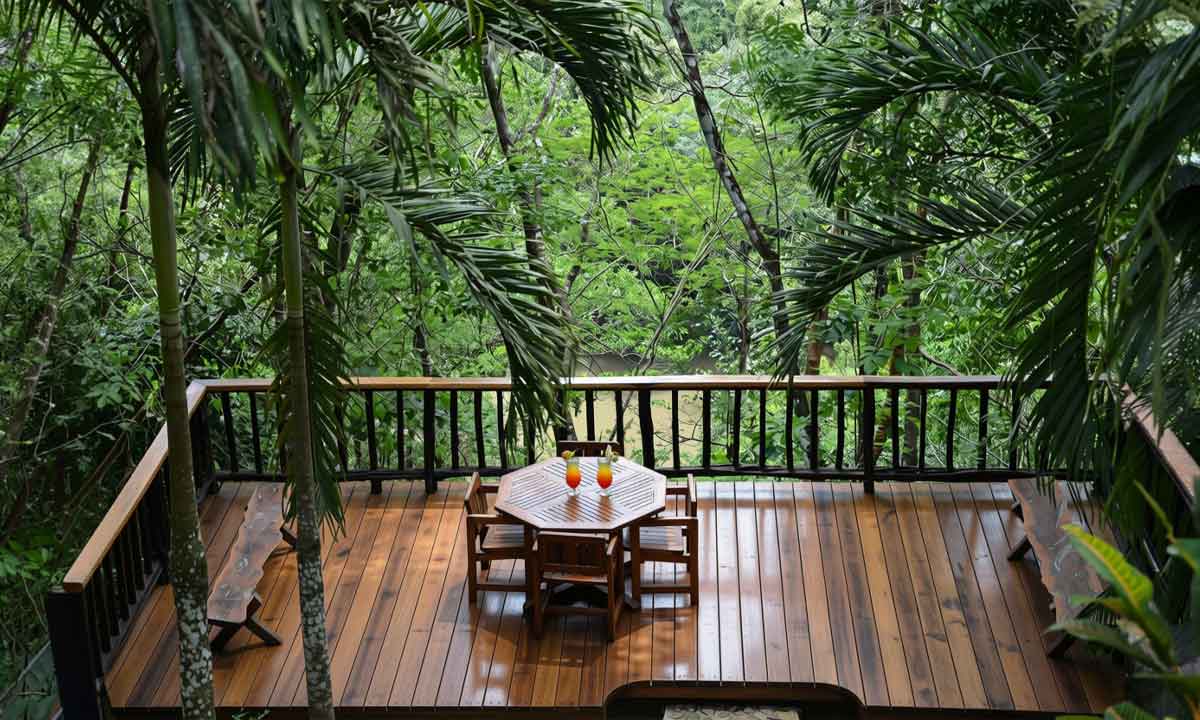
Jungle lodge deck near San Ignacio, Belize, surrounded by tropical forest and river views

How to Balance Demanding and Restorative Days

San Ignacio works best when the itinerary is honest about energy. Heat, road time, cave conditions, water exposure, early departures, stairs, uneven surfaces, and long explanations all affect the day.

A demanding cave day may be better followed by a softer morning. A long archaeology day may need a quiet dinner rather than another scheduled activity. Families may need shade and flexibility. Multigenerational groups may need fewer transitions. Birders may need early starts and slower afternoons. Comfort-oriented travelers may prefer private logistics, shorter walks, strong guiding, and accommodations selected for rest.

The answer is not to remove ambition. The answer is to design the itinerary honestly.

Why Guide Quality Matters in San Ignacio

Guide quality is one of the most important parts of a San Ignacio journey, but not every guide provides the same kind of value. Different experiences may require different strengths: archaeology interpretation, authorized cave guiding, naturalist knowledge, birding expertise, family communication, mobility awareness, multigenerational pacing, or cultural interpretation.

The right guide can help travelers understand why Cahal Pech feels different from Xunantunich, why ATM requires restraint, why a river changes with season, why a bird call matters, or why a cultural workshop should move at the host’s pace. Guides are not only logistical helpers. In western Belize, they are often the bridge between movement and meaning.

For families, guide matching can be especially important. A good family guide may know when to turn an architectural detail into a question, when to shorten an explanation in the heat, when children need shade or water, and when a quieter moment matters more than another stop. For older travelers or multigenerational groups, the right guide may know how to adjust pace without making anyone feel like a burden.

Private planning becomes more than comfort. It becomes the process of matching each experience with the people who will live it.

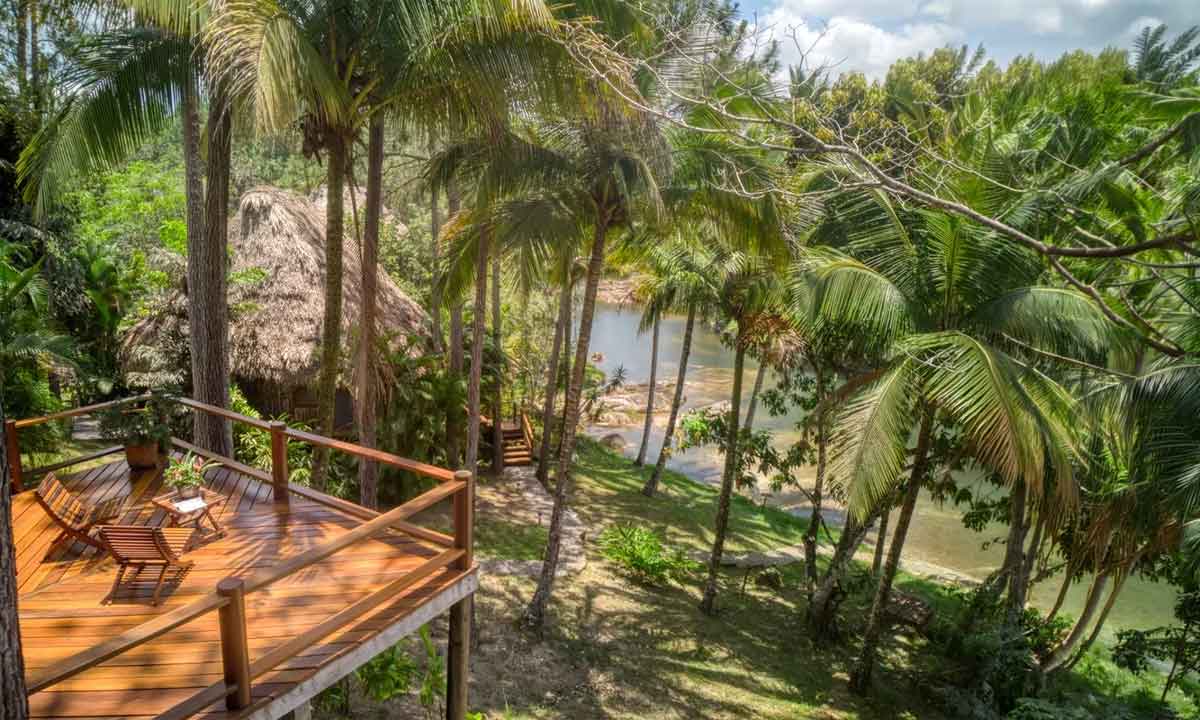
Riverside jungle lodge near San Ignacio, Belize, with private deck overlooking the forest and river

Where to Stay: Town, Riverside Lodge, or Jungle Lodge?

No setting is automatically best. The right setting depends on the traveler, the itinerary, the desired level of independence, and the kind of rest needed between excursions.

Town, Riverside Lodge, or Jungle Lodge?

Setting What It Can Offer Consider Carefully
San Ignacio or Santa Elena town base Restaurants, market access, services, selected walkability, easier independent time, and a stronger sense of town life Some travelers may prefer quieter surroundings or more immediate nature.
Riverside lodge A softer natural setting, water presence, quieter evenings, and often good access to both town and excursions Route convenience varies by property and planned activities.
Jungle lodge A more immersive retreat atmosphere, birding, on-site nature, privacy, and quiet May require more transfer planning for town meals, markets, or certain excursions.

The best choice is not the most dramatic setting. It is the one that helps travelers rest well, start days smoothly, and remain present for the experiences they came to understand.

Who San Ignacio Is Best For

San Ignacio is especially rewarding for travelers who want Belize to feel layered. It suits archaeology travelers, active couples, families with curious children or teenagers, multigenerational groups with careful pacing, birders, nature travelers, cultural travelers, and anyone who wants to combine inland Belize with the coast.

It can also support comfort-oriented and lower-effort travelers when the itinerary is designed carefully. A San Ignacio stay does not have to mean constant exertion. Shorter walks, private transfers, shaded timing, food experiences, softer nature outings, and a well-chosen lodge can create a gentler inland journey.

San Ignacio may be a poor fit for travelers who expect every major attraction to require little movement, minimal road time, and no guided or outdoor participation. It is also a poor fit for travelers who want to add famous places without accepting the effort, time, and restraint they require.

This distinction is not meant to discourage thoughtful travelers. It is meant to help them choose well.

Combining San Ignacio with the Belize Coast

A San Ignacio stay often works beautifully before or after time on the coast. Inland first can give travelers history, forest, rivers, caves, guides, foodways, and archaeological context before they slow down near the reef. Coast first can work for travelers who want to rest after arrival before moving inland. The right order depends on flights, weather, energy, family needs, and the wider route.

What matters is that the inland and coastal portions are not designed as separate trips forced into one calendar. They should speak to each other. The reef, the forest, the rivers, the caves, and the archaeological sites are all part of Belize, but they ask different things of the traveler.

Adding Tikal or Guatemala from San Ignacio

San Ignacio can also act as a bridge into the wider Mundo Maya region. Tikal in Guatemala may be possible as an extension for travelers with enough time, interest, and logistical planning. But cross-border travel introduces documentation questions, border timing, guide and vehicle arrangements, and longer days.

For some travelers, Tikal adds important regional perspective. For others, it makes a short itinerary too heavy. The decision should be made with the full journey in view, not simply because two famous Maya sites appear close on a map.

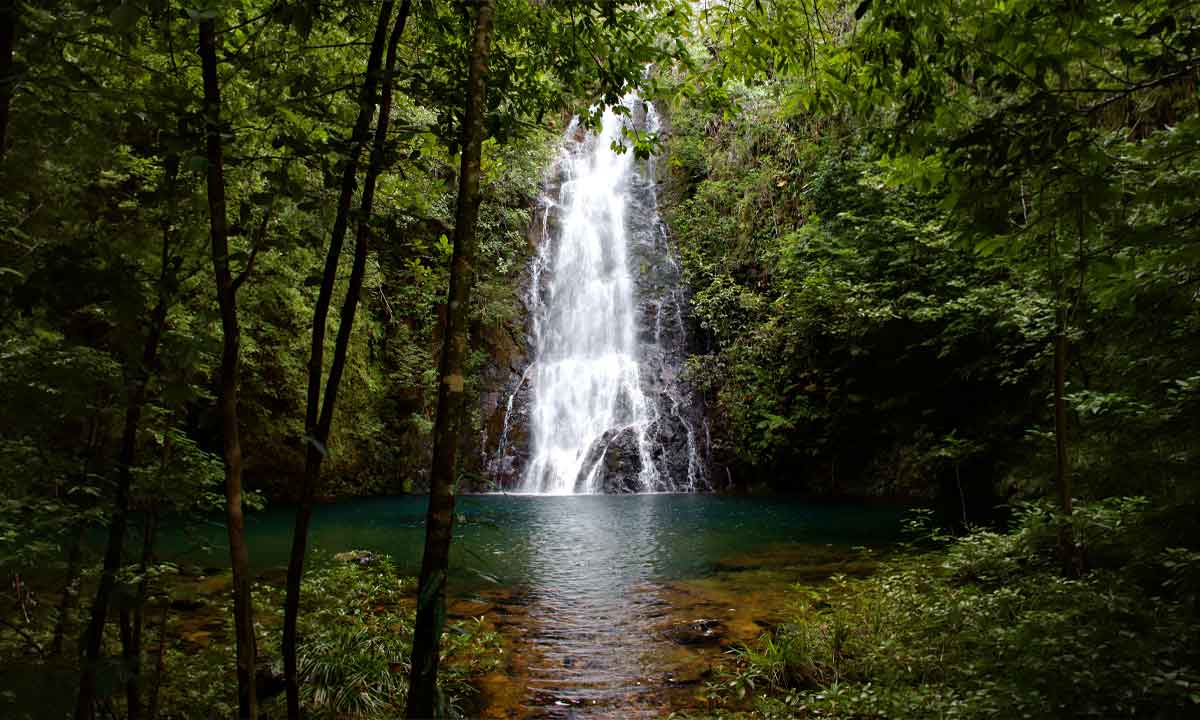
Waterfall in the jungle near San Ignacio, one of the best things to do in San Ignacio for nature and soft adventure travelers

Plan the Inland Belize Journey with Judgment


A private San Ignacio journey should not be planned by asking, “How many things can fit?” A better question is, “Which experiences belong together for these travelers, at this pace, in this season, with this wider Belize route?”

Share your travel dates, group composition, interests, preferred activity level, and wider route. Authentic Travel Belize can help determine not only what fits, but what should be left out so the inland journey has enough time to be meaningful.

FAQ: San Ignacio, Belize

Is San Ignacio a good base for inland Belize?

Yes. San Ignacio is one of the strongest bases for inland Belize because it places travelers near Maya sites, ATM Cave, Barton Creek Cave, rivers, forest reserves, local guides, restaurants, markets, and cultural experiences in the Cayo District.

How many nights should you stay in San Ignacio?

Three nights is a practical starting point for many first-time travelers. Four nights usually gives a better balance of archaeology, cave or nature experiences, local time, and recovery. Two nights is possible but compressed, while five or more nights suit slower pacing, birding, Caracol, or wider Mundo Maya extensions.

Can you visit Xunantunich from San Ignacio?

Yes. Xunantunich is commonly visited from the San Ignacio area and works well as a half-day experience. A guide can help travelers understand the ferry approach, El Castillo, sculpted friezes, plazas, and broader Belize Valley context.

Can you visit ATM Cave from San Ignacio?

Yes. ATM Cave is commonly approached from San Ignacio, but it is physically demanding and must be guided. It should be chosen only when travelers are comfortable with water, cave conditions, uneven surfaces, and close guide instructions.

Which Maya sites are near San Ignacio?

Nearby or reachable sites include Cahal Pech, Xunantunich, El Pilar, and Caracol. Tikal in Guatemala may be added as a wider cross-border extension when the itinerary allows enough time and proper logistics.

Is San Ignacio suitable for families?

San Ignacio can be excellent for families when the itinerary is paced well. Families should consider heat, walking, stairs, water exposure, cave suitability, transfer times, guide communication style, and the need for shade, snacks, and recovery time.

Should you stay in town or at a jungle lodge?

Neither is automatically best. Town offers restaurants, market access, services, and a stronger sense of local rhythm. Riverside and jungle lodges can offer quiet, nature, birding, and retreat-like rest. The right choice depends on the itinerary and traveler style.

Can San Ignacio be combined with the Belize coast?

Yes. San Ignacio and the coast complement each other well. Inland Belize offers archaeology, caves, rivers, forest, and local life, while the coast and cayes offer reef, snorkeling, diving, fishing, and Caribbean rest.

Do you need a guide in San Ignacio?

A guide is strongly valuable for many San Ignacio experiences, and required for some cave settings. The right guide improves safety, interpretation, pacing, cultural respect, family communication, and the traveler’s ability to understand what they are seeing.

Conclusion

San Ignacio is not valuable because it allows travelers to collect every inland experience. It is valuable because, with the right base, guide, sequence, and pace, western Belize begins to make sense.

A morning at Xunantunich, a careful cave experience, a quiet river, a market visit, a family meal, a forest sound heard after rain, a guide’s explanation at the right moment, none of these has to compete with the others. Together, when planned with restraint, they help travelers understand a Belize that extends beyond the beach without asking them to rush past it.

A good inland journey is not a race between ruins, caves, rivers, and lodges. It is a way of giving each place enough attention to become part of the traveler’s memory.


Dispatch

Dispatch

by Hummingbird

Discover Belize through Local Eyes
Expert tips, real adventures, and curated journeys for purposeful, unforgettable travel.

Recent Posts

ATB Logo

Follow me