

Belize Rainforest & Wildlife Journeys
Choose the right rainforest base, lodge style, guide, activity level and route, then connect it thoughtfully with caves, Maya heritage, reef or Guatemala.
Belize Rainforest & Wildlife Journeys
A Belize rainforest and wildlife journey works best when it is designed by fit, not by collecting every possible jungle activity. The right trip depends on why you are going inland, who is traveling, how much heat and trail time feels good, how much comfort you want at night, what kind of guide will change the experience, and how the rainforest connects with the rest of the journey.
For some travelers, the best inland stay is a gentle lodge base with birds at breakfast, short nature walks, rivers, and time to rest. For others, it may mean caves, waterfalls, birding, Maya sites, deep forest reserves, or a route that continues to the reef or Tikal. The point is not to see everything. It is to choose the right Belize rainforest experience for your purpose, pace, and expectations.
What Is a Belize Rainforest & Wildlife Journey?
A Belize rainforest and wildlife journey is a private or tailored inland nature experience built around rainforest landscapes, wildlife interpretation, lodge setting, guide quality, activity level, and route design. It may be gentle, active, family-friendly, romantic, specialist, or part of a wider Belize and Guatemala journey.
This travel style can include forest walks, river time, caves, waterfalls, Maya heritage, birding, photography, night walks, remote reserves, or a reef ending. What changes the quality of the trip is not the longest activity list. It is matching the right base, guide, lodging style, conditions, and transfer rhythm to the travelers.
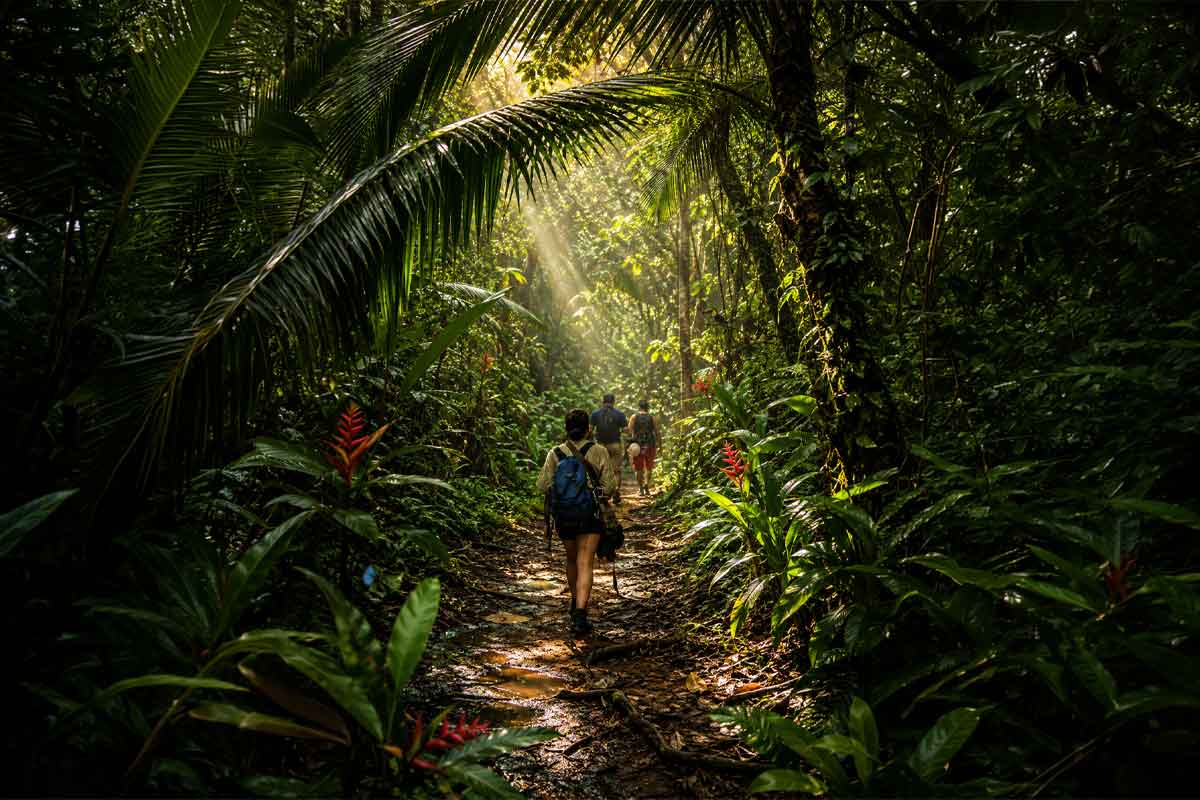
Belize Adventure and Nature Experiences
Our Belize adventure and nature experiences bring together rainforest lodges, guided wildlife walks, birding, river outings, caves, waterfalls, Maya sites, wetlands, and reef connections.
Belize Rainforest Regions and Bases Compared
Western / Cayo
|
Best for first-time inland travelers, families, and combinations of cave, river, and Maya heritage. San Ignacio, surrounding countryside, and Mountain Pine Ridge work well when access and variety matter, but Cayo should not automatically swallow the whole rainforest story |
Northern Belize
|
Best for birders, photographers, archaeology-minded travelers, and guests who want quieter reserve depth. La Milpa, Hill Bank / Rio Bravo, and Chan Chich belong when deep forest and slower lodge logic justify the extra travel. |
Southern Belize
|
Best for active rainforest, Maya Mountains-to-coast routes, and travelers linking inland nature with Hopkins, Placencia, or Toledo. Cockscomb, Mayflower Bocawina, Ya’axché / Golden Stream, BFREE, and Copal Tree should be chosen based on route purpose, not on checklist pressure. |
Lagoon and wetland bases
|
Best when habitat difference matters: wetlands, boat access, birds, wildlife, and archaeology. Lamanai and New River Lagoon offer a different feel from Cayo or southern forest, especially for travelers who like water-based access and layered landscapes. |
Reef and coast links
|
Best as a pacing and finale decision, not as a reef product list. Ambergris, Caye Caulker, Hopkins, Placencia, and South Water Caye can change the pace and feel of the final stage, transfer logic, diving plans, and recovery time. |
Guatemala / Tikal connection
|
Best when Maya World depth adds meaning rather than fatigue. Tikal, Petén, Cayo, and the Belize reef can fit beautifully, but the route needs enough nights to avoid becoming a rushed border-and-transfer exercise. |
Activities by Intensity
Gentle
Short forest walks, lodge grounds, birding from decks, boat-based wetlands, easy Maya site visits, and slow nature interpretation suit travelers who want comfort, curiosity, and low strain. Heat, insects, steps, and uneven ground still matter.
Active
Cave systems, steeper waterfall access, full-day outings, remote trails, early starts, and more exposed conditions suit travelers who want physical engagement. These days need realistic stamina, proper footwear, guide judgment, and space to recover.
Moderate
River outings, longer nature walks, easier-to-access caves and waterfalls, and guided wildlife walks suit active families, couples, and mixed groups. Planning should consider water comfort, trail footing, duration, and downtime afterward.
Specialist
Birding, wildlife photography, nocturnal walks, research-oriented reserves, and habitat-focused travel work best with patient pacing and precise guide matching. Specialist journeys often improve when the itinerary does less and observes more.
Wildlife Expectations
Belize rainforest travel is rich in habitat, sound, movement, and signs of life, but wildlife viewing should be approached with patience and realism. A good guide helps you notice calls, tracks, feeding patterns, light, movement, and habitat edges that most travelers would miss.
Often noticed or encountered: birds, forest sounds, insects, tracks, habitat signs, and some monkey activity depending on region, timing, and conditions.
Possible with the right habitat, timing, guide, and patience: toucans, reptiles, nocturnal life, tapirs, specialist birds, and more meaningful sightings with the right habitat and patience.
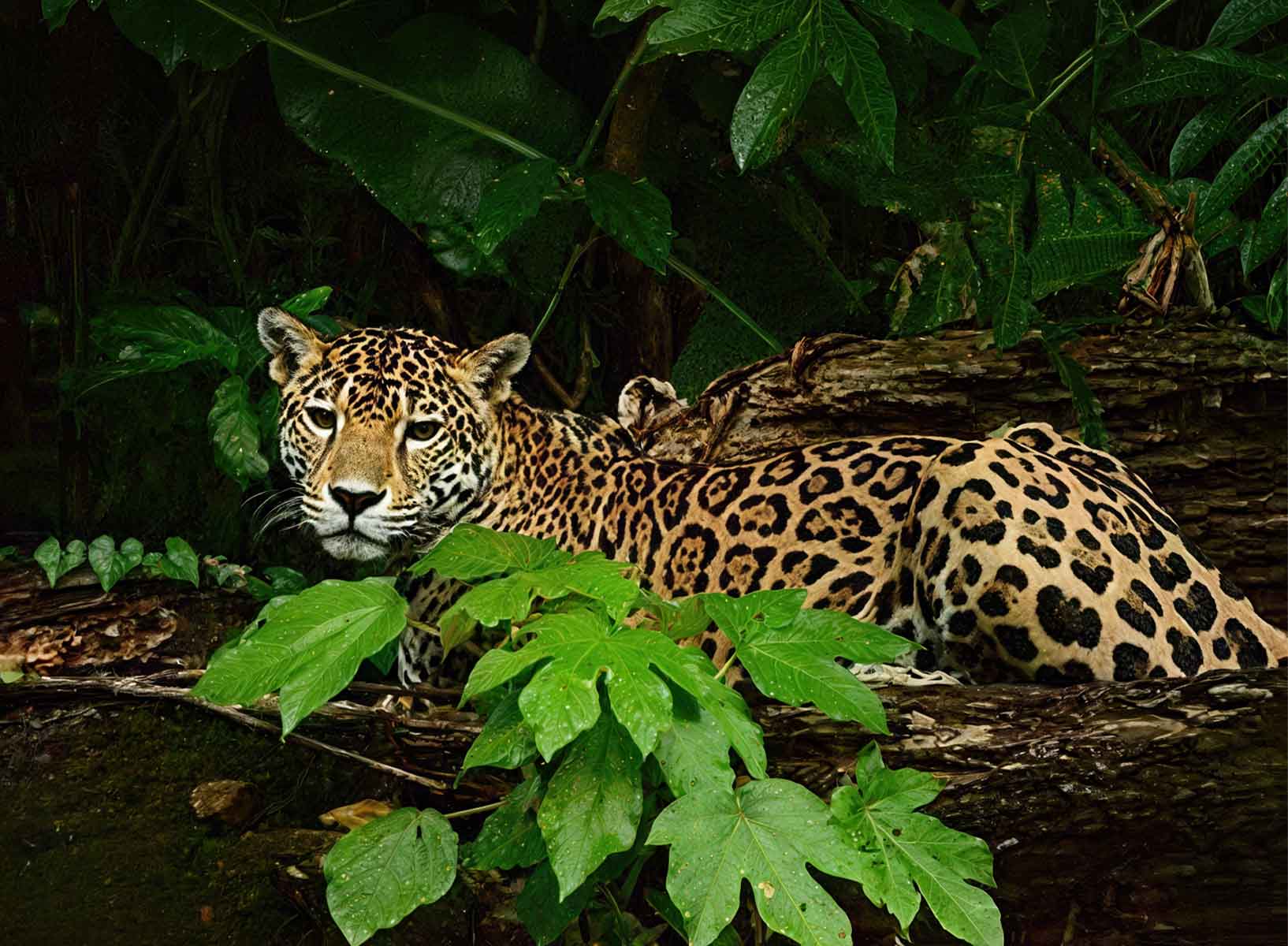
Rare and never guaranteed: jaguar sightings. Jaguars are important to Belize’s forest identity and conservation significance, especially in jaguar habitat, but they should never be sold as an expected sighting.
The best wildlife journeys are honest. They treat animals as living beings in protected landscapes, not as scheduled appearances.
Why the Right Guide Matters
In rainforest travel, the guide is not decoration. The right guide changes what the traveler understands, notices, and remembers. Matching the guide to the purpose of the day is one of the clearest ways private planning improves the experience.
Naturalist guides
Good for general rainforest interpretation, wildlife signs, plants, habitats, and the quiet details that make a walk feel alive rather than simply scenic.
Family guides
Good for keeping children engaged without overloading them. The best family guide reads attention span, comfort, curiosity, and fatigue.
Birding guides
Good for early starts, calls, habitat edges, patient pacing, and species-specific attention. They are especially important in Northern Belize and specialist routes.
Cultural and Maya heritage guides
Good for connecting archaeological sites, landscape, history, living Maya continuity, and present-day dignity without turning Maya heritage into a backdrop for adventure.
Cave and adventure guides
Good for safety-conscious pacing, water exposure, footing, equipment, and knowing when a route is suitable for the group on that day.
Photography-aware guides
Good for light, stillness, angles, waiting, and not rushing the moment. They help shape the day around observation rather than constant movement.
Lodging: Comfort, Remoteness, and Purpose
Lodging should support the journey, not take over the page or the plan. The right stay depends on how deeply you want to be inland, how much comfort you need, and whether the lodge is mainly a base, a retreat, or a stage for the rainforest.
Rustic Stays
Best for travelers who value access, simplicity, and close contact with the setting. They may sacrifice polish, A/C, or resort comforts, so expectations should be clear.
Comfortable jungle lodges
Best for many families, couples, and first-time inland travelers. They balance nature, sleep, meals, guiding, and access without making the stay feel too remote.
Refined nature lodges
Best when atmosphere, comfort, and nature interpretation all matter. The planning question is whether the lodge location supports the route, not only whether it photographs well.
Remote specialist lodges
Best for birding, deep forest, wildlife interest, archaeology, or serious quiet. They can be deeply rewarding, but transfer tolerance and comfort expectations must be discussed.
Luxury nature stays
Best when privacy, service, design, and calm are part of the purpose. The strongest choices still depend on guide depth, route logic, and how the stay connects to the reef before or after.
Rainforest + Reef, Caves, Maya Heritage, and Guatemala
Belize is often planned as rainforest plus reef, but the sequence matters. Some travelers should begin inland while energy is high, then finish on the coast or cayes. Others may need a softer reef start, especially after long flights or a route through Guatemala.
Cayo often works well with caves, rivers, Maya heritage, and Tikal / Petén logic. It can be a strong bridge between Guatemala and the Belize reef, but it is not the only inland answer. Northern Belize can add quiet forest, birding, and archaeology. Southern Belize can connect the Maya Mountains with Hopkins, Placencia, Toledo, and reef endings in a different rhythm.
Fewer bases are often better than a full map. A short trip to Tikal, Cayo, the southern rainforest, and the reef can sound impressive and feel tiring. A stronger journey may choose one inland base, one reef base, and one clear reason for each.
Responsible Wildlife and Rainforest Travel
Responsible rainforest travel begins with conduct: stay on appropriate trails, listen to guides, keep respectful distance from wildlife, avoid feeding animals, and treat protected landscapes as living systems.
Deeper sustainability questions belong in Belize Eco & Sustainable Travel, but this page should make one point clearly: the best journeys respect guides, communities, habitats, and the limits of what nature can honestly promise.
Seasonality and Conditions
Belize rainforest travel changes with season, rainfall, heat, humidity, river levels, trail conditions, insects, and tropical weather. Dry-season travel may make some routes feel easier, but it does not remove heat or guarantee conditions. Green-season travel can bring lush landscapes, changing skies, and more extreme weather.
Good planning should stay conditional. Trails can be muddy, rivers can change, cave and waterfall access can depend on conditions, and wildlife activity varies by habitat, timing, and luck. Dates matter, but so do stamina, clothing, footwear, guide judgment, and how much flexibility the itinerary allows.
Is This Journey Right for You?
This journey is a good fit if you want private design, realistic wildlife interpretation, strong guides, comfort matched to purpose, and a route that connects rainforest with reef, caves, Maya heritage, or Guatemala in a coherent way.
It may be a weaker fit if you want the only a standalone low-cost excursion, guaranteed rare wildlife, every major region in one short trip, or a schedule that treats rainforest, reef, and Tikal as boxes to tick. In those cases, a simpler tour or a slower route may serve you better.
Plan Your Belize Rainforest & Wildlife Journey
Tell us your preferred dates, group size, ages, comfort level, activity level, and how much heat, walking, water exposure, and transfer time your group can enjoy. Share your wildlife interests, whether you need a naturalist, birding, cave, family, Maya heritage, or photography-aware guide, and whether you want to combine rainforest with reef, caves, Maya sites, Tikal / Guatemala, honeymoon privacy, or family gentle activity.
Also tell us your non-negotiables: A/C, pool, privacy, accessible rooms, dietary needs, early starts, downtime, short transfers, or a limit on the number of bases. We will help shape the rainforest journey around fit, not pressure.
Phone
Start Planning a Belize Vacation
Common Planning Questions
Will I see a jaguar on a Belize rainforest journey?
You should not plan on seeing a jaguar. Belize has important jaguar habitat, and that matters deeply, but sightings are rare and never guaranteed. Plan for habitat, interpretation, and patience.
How many nights should I spend inland in Belize?
Two to three nights works well for many first-time trips. Four or more nights make sense when rainforest, birding, caves, Maya heritage, or remote reserves are a central purpose.
Should I stay in San Ignacio or a remote rainforest lodge?
San Ignacio and Cayo are strong for access and variety. Remote lodges are better when quiet, birding, deep forest, or specialist purpose justifies the extra travel and fewer outside options.
Should the rainforest or reef come first?
Often, rainforest first and reef last creates a natural finish. But Guatemala routes, flight timing, diving plans, weather patterns, and energy levels can change the better sequence.
Is this suitable for seniors or mixed-ability groups?
It can be, if the route is honest about terrain, heat, steps, water entries, vehicles, and recovery time. The right guide and lodge base matter more than the activity name.
Is Northern Belize worth the extra travel time?
It can be very worthwhile for birding, archaeology, deep forest, and quieter reserve-style stays. It is less useful when the trip is short and travelers mainly want easy caves, rivers, and reef.