
Compare Ambergris Caye snorkeling trips and Turneffe Atoll reef adventures to discover Belize’s best marine life and island escapes.
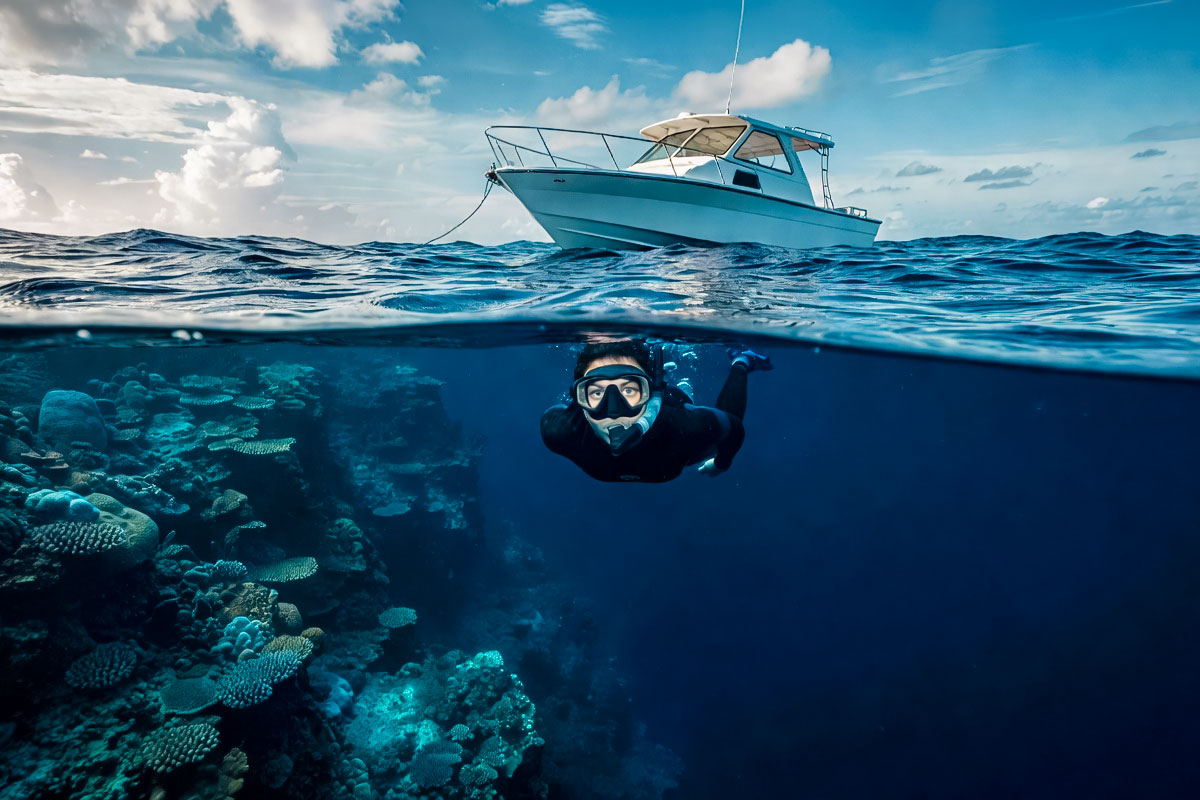
Choose Ambergris Caye (San Pedro) for the cleanest, most "no drama" snorkeling near Hol Chan Marine Reserve and Shark Ray Alley. This option offers short boat rides, calmer Caribbean seas, and easy patch reefs—ideal for beginners and casual groups. Turneffe Atoll is better for adventure travelers who want isolation, fewer crowds, and wilder open-sea encounters, though it requires longer trips and more tolerance for rougher conditions.
Belize loves to call itself "Our Jewel," and it's not just tourism talk. You're dealing with the Belize Barrier Reef Reserve System, part of a UNESCO-listed network that sits inside the bigger Mesoamerican Barrier Reef story, and yeah, the reef's conservation turnaround is real enough that the IUCN World Heritage Outlook tracks how Belize climbed out of the "in danger" label after the oil moratorium. If you're the type who likes receipts, those are your receipts.
Still, none of that helps you when you're standing on a dock deciding between a quick half-day snorkel with a rum punch waiting after, or a full-day haul to an atoll where the horizon is… water. So let's talk like humans.
What feels different on the water?
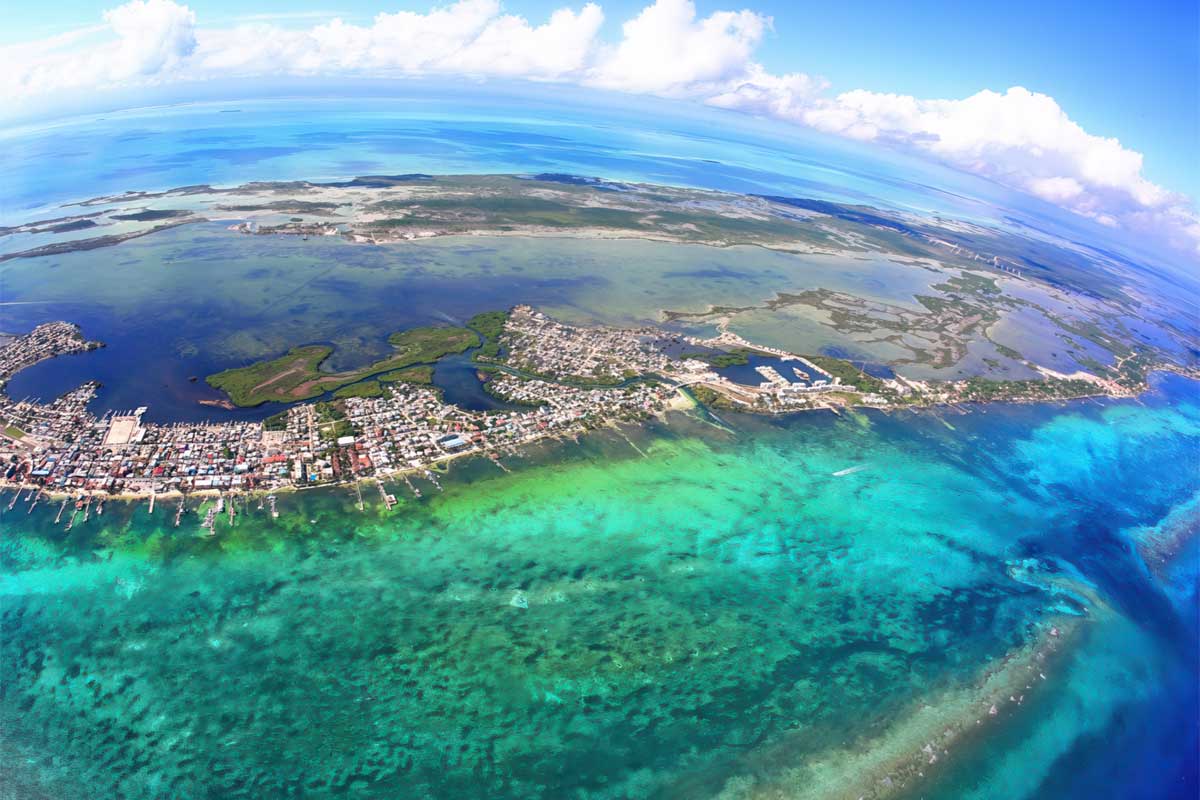
Ambergris feels like you're snorkeling from a busy island town that happens to sit beside a global reef. Turneffe feels like you're out on a marine park mission: same country, same tropical sea, different mood in your chest.
To make it plain, here's the head-to-head you actually care about.
| Factor | Ambergris Caye (San Pedro) | Turneffe Atoll |
| Typical access | Quick runs to nearshore patch reefs and reserves | Full-day offshore mission or stay at an atoll lodge |
| Water vibe | More boats, more schedules, more "we're doing this again at 2." | Fewer boats, bigger water, more "watch the conditions." |
| Best for | Beginners, mixed groups, short outings | Adventure travelers, strong swimmers, people who don't mind long boat time |
| Common "wow" moment | Nurse sharks and rays up close, easy coral gardens | Big sea fans, deeper walls nearby, occasional pelagic surprises |
Boat ride and the seas
From San Pedro, you're often looking at a short hop to the barrier reef and reserves. Operators even advertise Hol Chan as a tight transit, and that checks out when you use a proper local shop; the run is commonly around that quick window described in the Ambergris Divers Hol Chan trip details. A short ride means your day stays flexible. You can snorkel in the morning, grab lunch, and still have energy to wander around town.
Turneffe is different. You're pushing offshore, and the ride can be 1 to 2 hours each way, depending on where you're departing from, what boat you're on, and what the sea decides to serve that day. Some days it's a gentle cruise. Some days it's a bumpy reminder that you're not on a lake. If you get seasick easily, you plan for it, or you don't. Simple.
Crowd level and pace
Ambergris snorkeling can feel like a festival. Hol Chan and Shark Ray Alley are famous, and fame brings bodies. On the busiest days, you could swear you're sharing the water with "210 snorklers" and a handful of guides hollering through snorkels. It's still fun, still safe with the right crew, still absolutely worth it for most people, but "pristine solitude" is not the promise.
Turneffe usually feels quieter. Less boat traffic, more space, more time where you're just floating and hearing your own breath. That's the whole sales pitch. The trade is that you're also further from help and further from shore, and you need to take briefings seriously.
Comfort for new snorkelers
If you're a novice snorkeler, Ambergris is forgiving. More shallow patch reefs, more calm-ish options, more chances to bail early without ruining the whole day for everybody. You also get guides who do these runs all the time, so the routine is polished.
Turneffe can be amazing for snorkelers, but it's not "training wheels" amazing. The ocean there is bigger, and some of the famous areas lean more toward divers. Even seasoned travelers will tell you Turneffe can be "better" but not always "better for snorkeling," and I agree with that vibe. If you're strictly surface-level and you want the kind of coral gardens that blow your mind without fighting current, Lighthouse Reef and spots like Half Moon Caye often deliver a cleaner surface-snorkel reward than Turneffe on an average day.
Compare reef quality and marine life.
People talk about "reef quality" as if it were a single, simple score. It's not. It's coral cover, visibility, storm history, boat pressure, fishing pressure, mooring habits, and whether the marine reserve rules are enforced when tourists aren't watching.
Coral and sponges
Ambergris gives you plenty of color, especially on patch reefs and coral gardens. Sites like Mexico Rocks showcase the classic shallow structure that photographers love, and operators package it specifically because it works for mixed skill levels, as noted in the snorkeling package notes you'll see from local shops.
Turneffe's personality is different. The atoll system supports a wide variety of habitats, including lagoons and mangroves, and reef scenes often lean into soft corals and fans. If you want the nerdy ecosystem angle, the Turneffe Atoll Marine Reserve biodiversity profile talks about dozens of stony coral species and a crazy fish count, and it lines up with what you actually see: more "this place is alive" texture when conditions are right.
Fish, turtles, rays
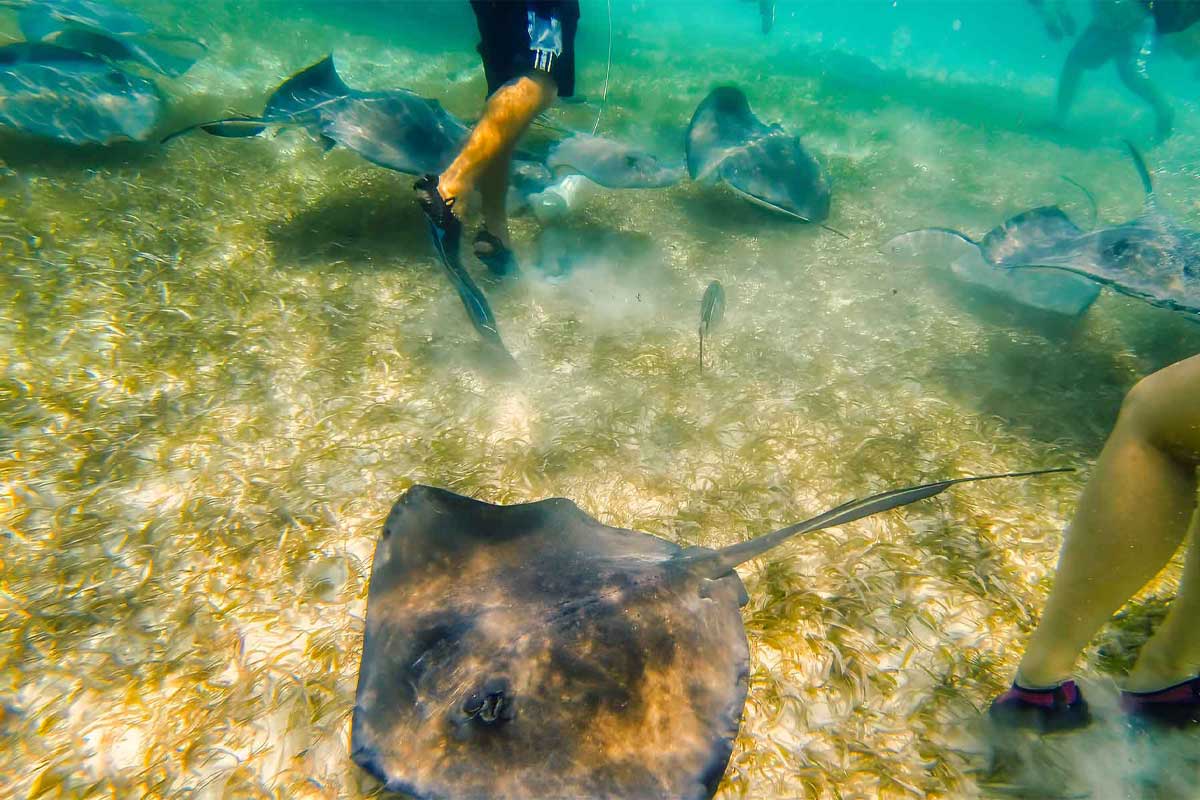
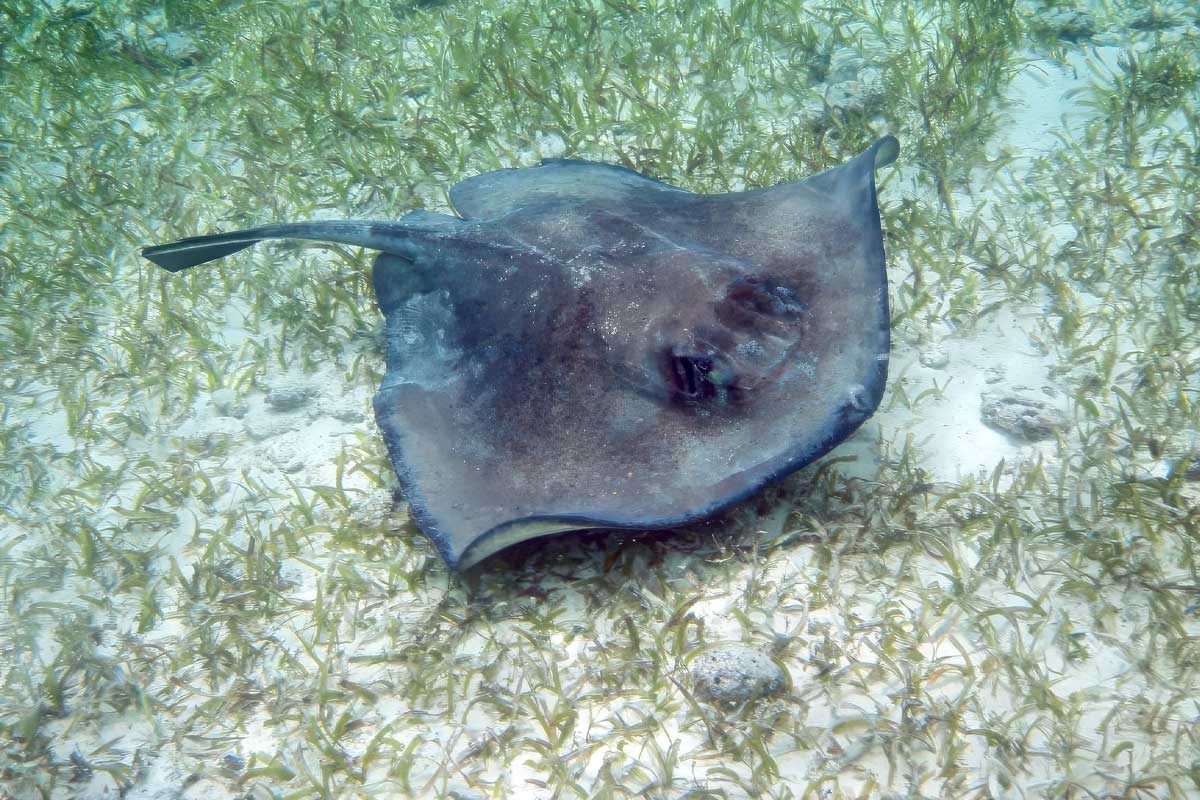
Around Ambergris, you're basically guaranteed a busy fish scene and the kind of encounters that make first-timers fall in love with the sea. Expect schools of snapper, angelfish, parrotfish, barracuda hanging back, and rays cruising like they own the place.
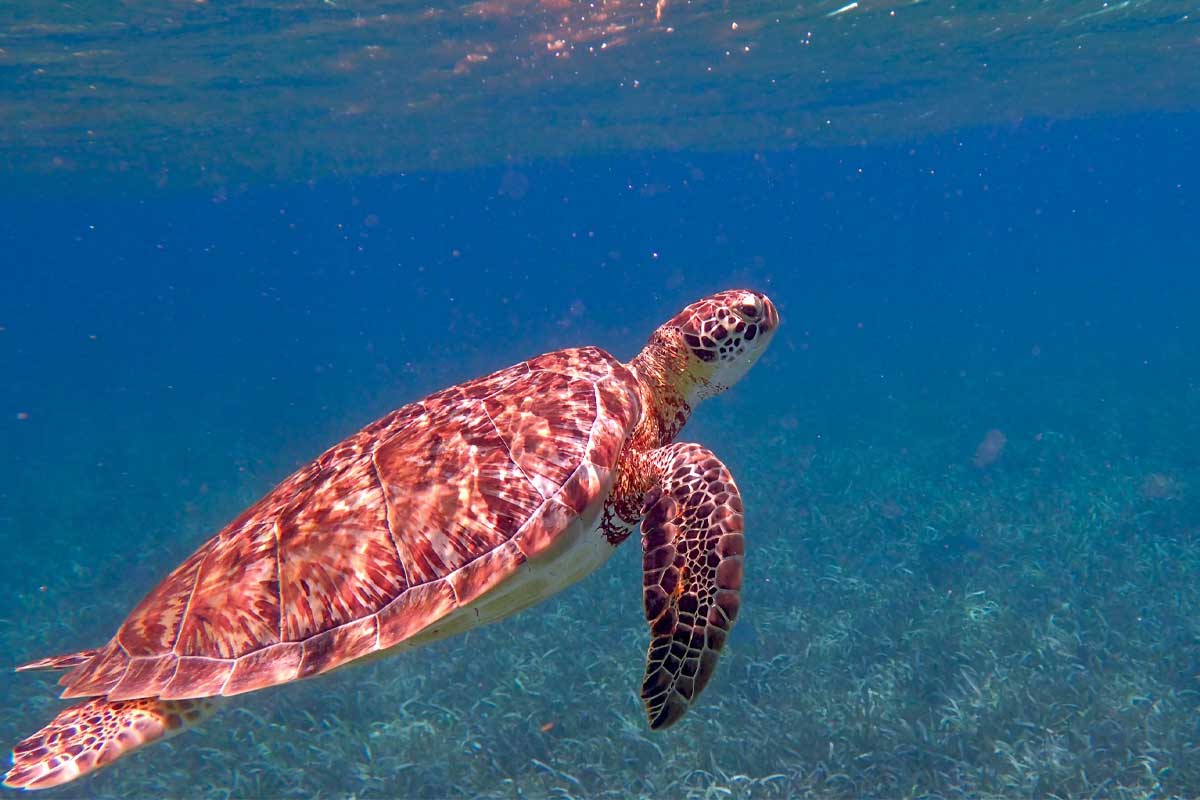
Turneffe can add that extra spice: eagle rays, bigger silhouettes at the edge of visibility, more "wait, what was that?" moments. The atoll's mangrove and lagoon habitats also matter for wildlife, including manatees, and the Oceanic Society's notes on Turneffe habitat do a good job connecting the dots between mangroves, protection, and why you might spot certain species there.
Shark and nurse shark odds
If you want high odds of a nurse shark encounter without feeling like you're gambling your vacation, Ambergris wins. Shark Ray Alley is basically the headline act, with typical depths staying snorkel-friendly; even budget-focused writeups track it around that shallow range, like the Shark Ray Alley depth notes you'll see online.
Turneffe can absolutely produce sharks, including reef sharks and occasional bigger moments, but it's less "guaranteed theatre" and more "real ocean, real variables." Also, currents and depth changes mean your guide matters more than your luck.
Choose the best base for your style.
You can force any base to work. You can also pick the one that matches how you travel, and stop making your life hard for sport.
If you want the blunt version:
- If you want easy logistics and you like options, you stay on Ambergris Caye and treat Turneffe as a special day trip.
- If you want remote and you're cool with long boat rides, you plan around Turneffe Atoll and accept you're not "popping back" for a late lunch reservation.
- If you want to split the difference, you do a few days in San Pedro, then shift your itinerary to an atoll-focused stretch, or even swing through Caye Caulker for the "go slow" reset.
Easy-going and social
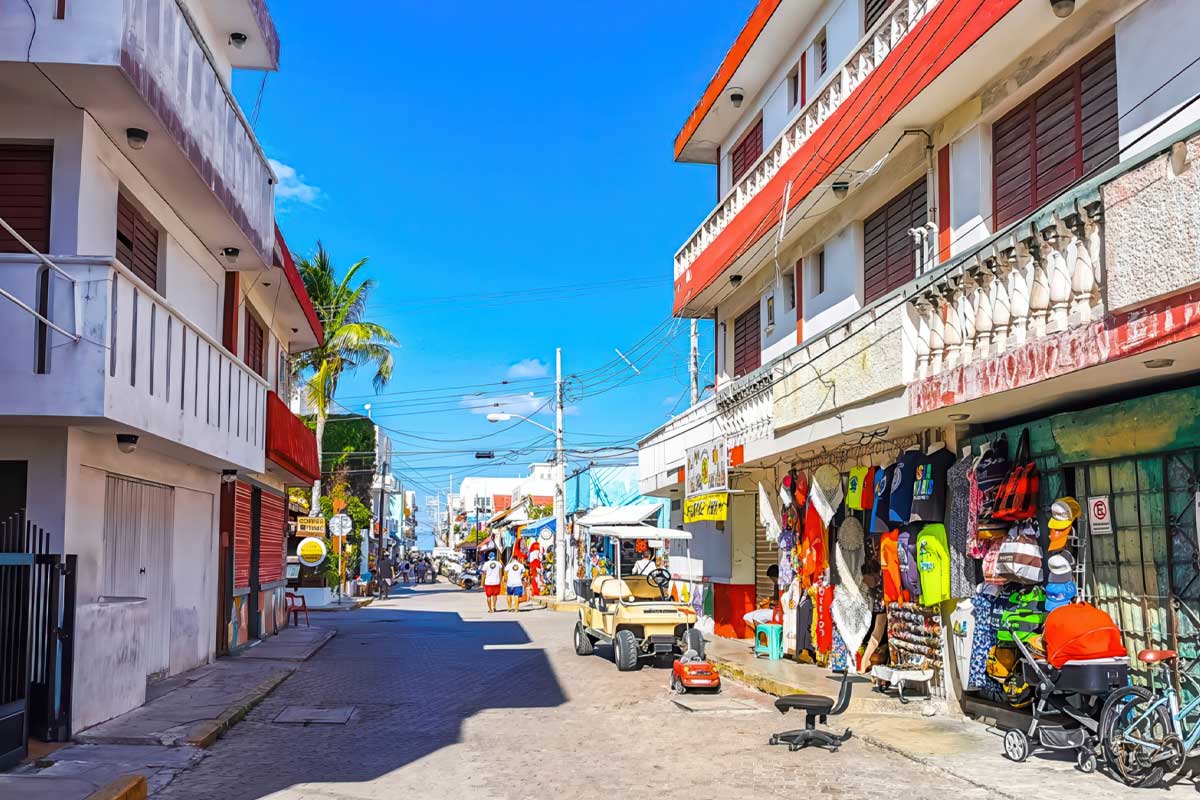
Ambergris, specifically San Pedro, is built for people who want the reef plus a town. More accommodations, more dive shops, more restaurant choices, more chances to meet people without trying. You can do a quick snorkel, then roll into a bar, then decide last-minute to book another trip tomorrow because you heard somebody at dinner talking about a good guide.
If you want the chill version of social, Caye Caulker is the classic move: fewer vehicles, more bikes, more hammock culture. You can still run snorkel day trips from there, and the vibe stays mellow.
Adventure and remote
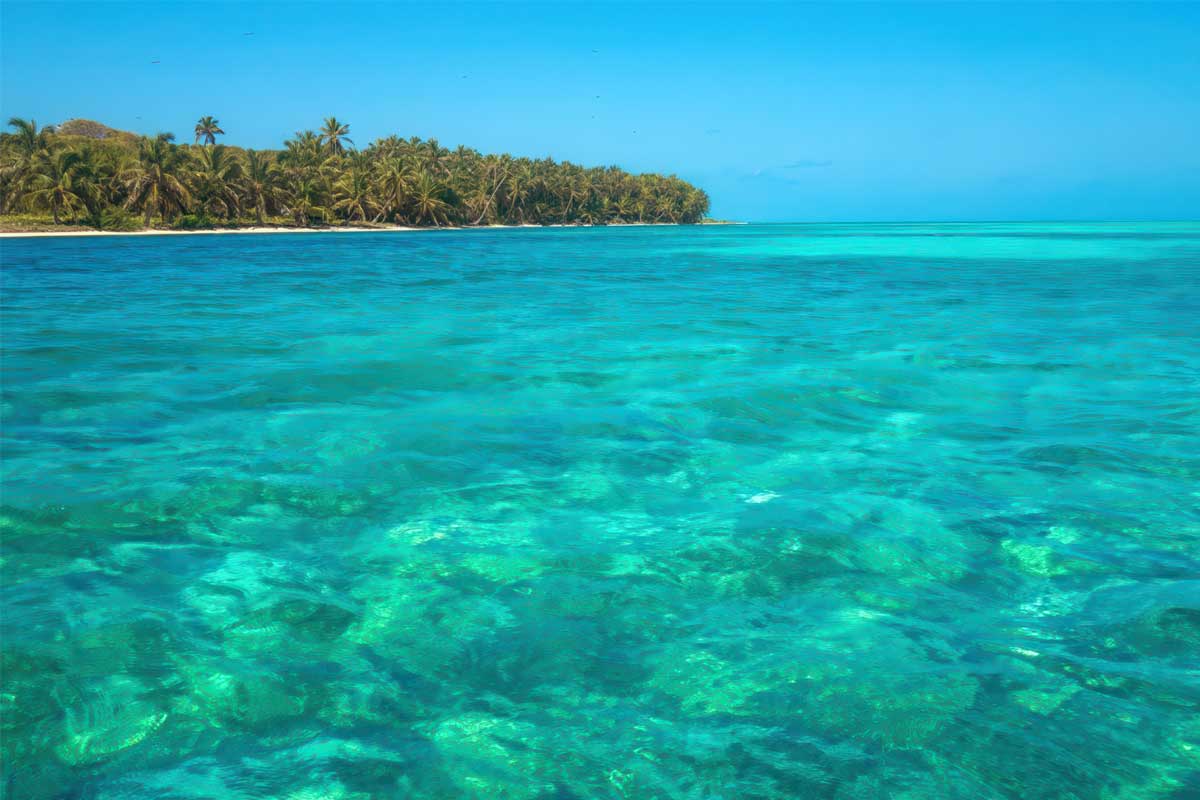
Turneffe is for people who don't get itchy when a plan involves open water, weather calls, and committing your whole day to the sea. It feels more like an "expedition," even when it's comfortable. If your dream is pristine, fewer crowds, and maybe a bigger pelagic surprise, this is where you point your compass.
Just keep your expectations honest. Some Turneffe areas are more rewarding for diving than for casual surface snorkeling. If you're chasing pure snorkel magic, you might actually prefer to put that long-boat energy toward Lighthouse Reef atoll instead.
Food, bars, and downtime
Ambergris is the foodie-friendlier choice, no contest. More range, more nightlife, more "let's go find dessert" energy. It's easier to treat snorkeling as part of a larger Belize itinerary that includes beach time, a little shopping, and late nights.
Turneffe is not where you go for bar-hopping. It's where you go to fall asleep early because the sea drained you, and tomorrow you're doing it again.
Plan a San Pedro reef day.
If you're based in town, you're basically building your day around short rides, predictable schedules, and easy access to reserves.
Typical sites and depth
Most classic Ambergris snorkel sites are comfortably shallow, with patch reefs, sand channels, and coral gardens that let you float without feeling like you're hovering over an abyss. Hol Chan has that channel structure that concentrates fish, and Shark Ray Alley delivers the headline wildlife.
Half-day, full-day, night
A lot of people overthink this. If you're already doing mainland adventures or you're juggling beach time, a half-day snorkel is perfect. If you want to stack multiple snorkel stops, do a full-day and add a patch reef like Mexico Rocks so it's not all "big wildlife, big crowd" energy.
Night snorkeling exists in Belize, but availability and conditions vary hard by operator and season, so you treat it as a bonus, not a guarantee.
Costs and inclusions
On Ambergris, a typical snorkel tour price can feel reasonable because the distances are short. You're often paying for guide time, fuel, gear, and marine reserve fees. The Hol Chan entrance fee is commonly quoted at $15 USD (about $30 BZD), and some days your "quick booking" plus fees lands in that annoying zone where a simple outing turns into a $40 park kind of decision once you add rentals, taxes, or extra stops.
If you want a quick way to scan reputable operator options and the broader site network, the local-style rundowns like the Belize Pro Dive Center site guide can help you understand what's near and what's worth your time.
Plan a Turneffe snorkel day.
Turneffe day trips are not casual errands. You're leaving early, you're committing, and you're coming back sun-drunk.
Best areas for snorkelers
Turneffe has gorgeous areas, but the "best" depends on conditions and your comfort level. Some sites shine because the shallow structure is friendly. Others shine because they're near dramatic drops, which is thrilling even from the surface, but it can also mean current.
If you're the type who likes to line up logistics before you land, the Turneffe Marine Reserve booking guidance is a good window into what kinds of tours run and what "a day out" usually means.
Currents, depth, and safety
Currents are the whole story offshore. The famous Turneffe areas that divers love, including topographies like The Elbow, can come with serious movement in the water column, and that's why diver-focused maps talk so much about it, like the Belize Pro Dive Center notes on atoll marine life and topography.
You don't need to be scared of the current. You need to respect it. A good guide will read the tide, pick the right side, keep the group tight, and call it if it's not safe. If an operator treats safety briefings casually, you act casually about giving them your money.
Costs, transfers, and charters
Turneffe costs more because it's further. More fuel, more time, fewer "quick turnover" runs. Private charters can get pricey fast, but they're also the best way to control group size and pace.
If you're looking at a private boat day and you want a sense of how charter logistics work, companies that specialize in that style, like Elite Adventures Belize, make it easier to picture what you're actually booking.
Pick a reputable tour operator.r
A pretty boat and a friendly Instagram page don't mean you're in good hands. Belize has excellent operators. Belize also has plenty of "we'll figure it out when we reach" energy, and offshore is not where you gamble.
If you want the insider move when you're stitching together a bigger itinerary, this is where a destination manager like Authentic Travel Belize earns their keep, because you're not just buying a boat ride, you're buying coordination across weather windows, marine park rules, and your own travel style so you're not wasting your best reef day on a sketchy setup.
Licenses and marine park rules
Hol Chan is a managed marine reserve with fees and regulations in place. Turneffe is a marine reserve with zoning, enforcement, and national oversight tied into Belize's fisheries framework, and you can see the serious side of that in the Belize Fisheries Department's Turneffe reserve overview. Your operator should collect the right fees, follow mooring rules, and brief you on no-touch, no-stand, no-chase behavior.
Group size and guide ratio
Group size changes everything. Big groups feel social, but they also feel chaotic in the water. Smaller groups get more wildlife spotting, calmer pacing, and better safety oversight. Ask how many snorkelers per guide. If they dodge the question, that's an answer.
A quick operator sniff-test you can actually use:
- Ask what their maximum group size is on that specific boat.
- Ask if they carry oxygen and a proper first-aid kit.
- Ask how they choose sites when the wind picks up.
Gear, brief, and safety kit
A reputable tour has decent masks that seal, fins that fit, and a guide who checks before you jump. They should give a real briefing, not a mumbled: "Stay close." They should talk about current boat traffic, entry and exit, and what to do if you get separated.
Also, reef-safe sunscreen. Not because it's trendy, but because you're literally swimming over living coral.
Conclusion
If you want your snorkeling to be easy to slot into a bigger Belize trip with beaches, food, and a little nightlife, you pick Ambergris, and you don't apologize for it. If you want that remote, salt-in-your-hair day where the atoll feels like the main event, you plan Turneffe properly, watch the weather, and choose an operator who respects the ocean more than they respect the schedule.
And if you're still torn, that's your answer too. Split it. Do a few days with the San Pedro convenience, then earn your atoll day like a reward. Belize has room for both kinds of travelers. You need to be honest about which one you are.
Frequently Asked Questions
Is Ambergris Caye or Turneffe Atoll better for beginners?
How long does it take to reach Turneffe Atoll from Ambergris?
Commonly 1 to 2 hours by boat each way, depending on conditions and departure point.
What marine life is most "guaranteed" near San Pedro?
Hol Chan and Shark Ray Alley are famous for high odds of nurse sharks, rays, and dense reef fish.
Do you need a visa to visit Belize?
Many travelers enter with a valid passport and onward ticket; visa requirements depend on your nationality, so check before you fly.
What currency should you carry?
Belize dollars (BZD) and USD both circulate; the common rate is $1 USD = $2 BZD.